



News
The Scientific Council, through its technical advisory role, now represents a bridge for the Stazione Zoologica between Anton Dohrn’s historical legacy and a forward-looking vision for the future of marine biology. Composed of a group of experts, it acts as a guarantor of scientific quality and an incubator of ideas, ensuring that each project is not merely an academic exercise, but a concrete step forward in the understanding and protection of our seas.
As provided for by the current Statute, the Scientific Council meets annually; for 2026, it was decided to include visits to some of the Stazione Zoologica’s branch facilities in the program.
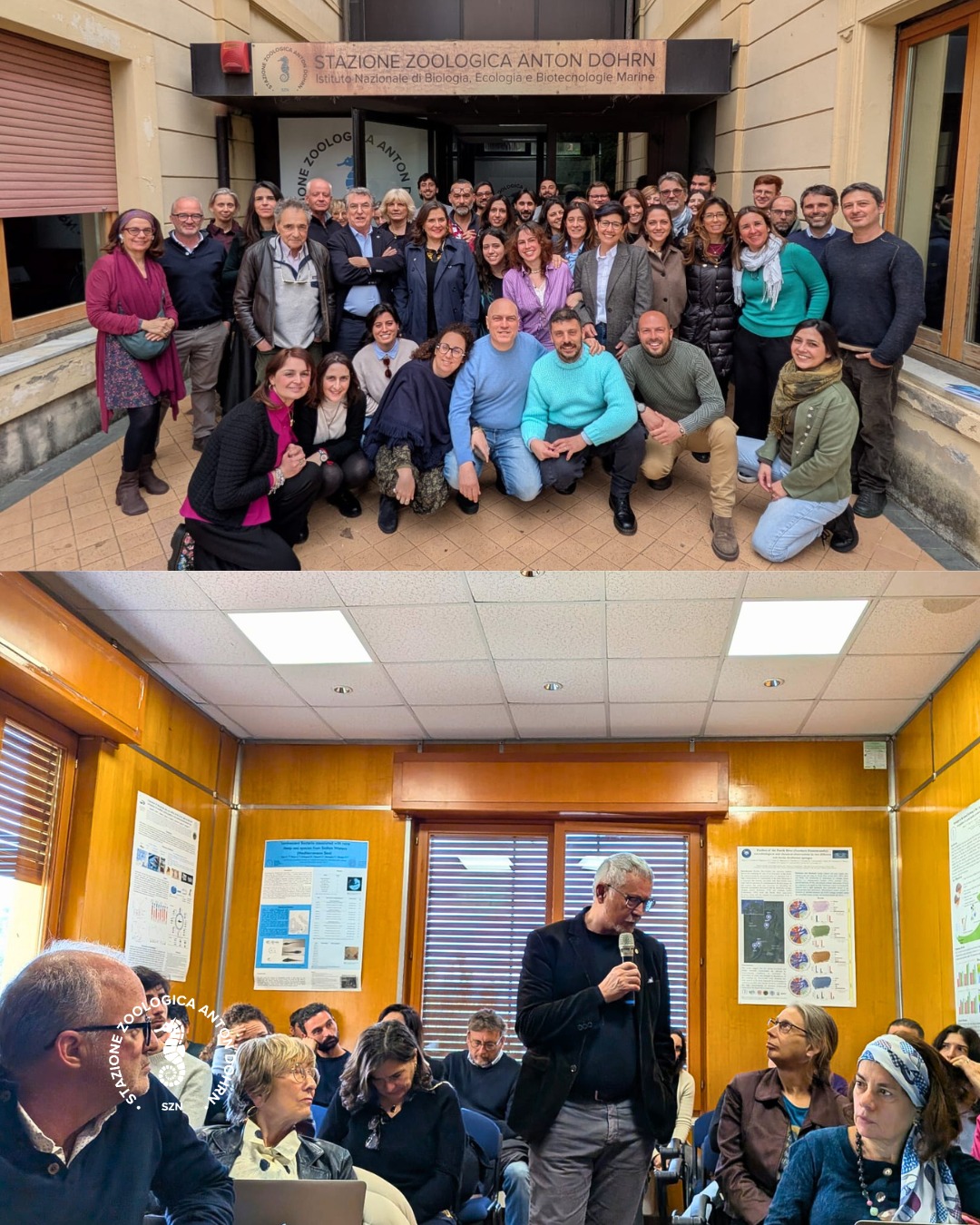
From 16 to 19 March 2026, the meeting of the Institute’s Scientific Council took place. The members, Paul Falkowski, Paola Bonfante, André Le Bivic, Nicole Dubilier, and Raffaella Casotti, initially met in Naples and then continued with institutional visits to the Institute’s branch sites.
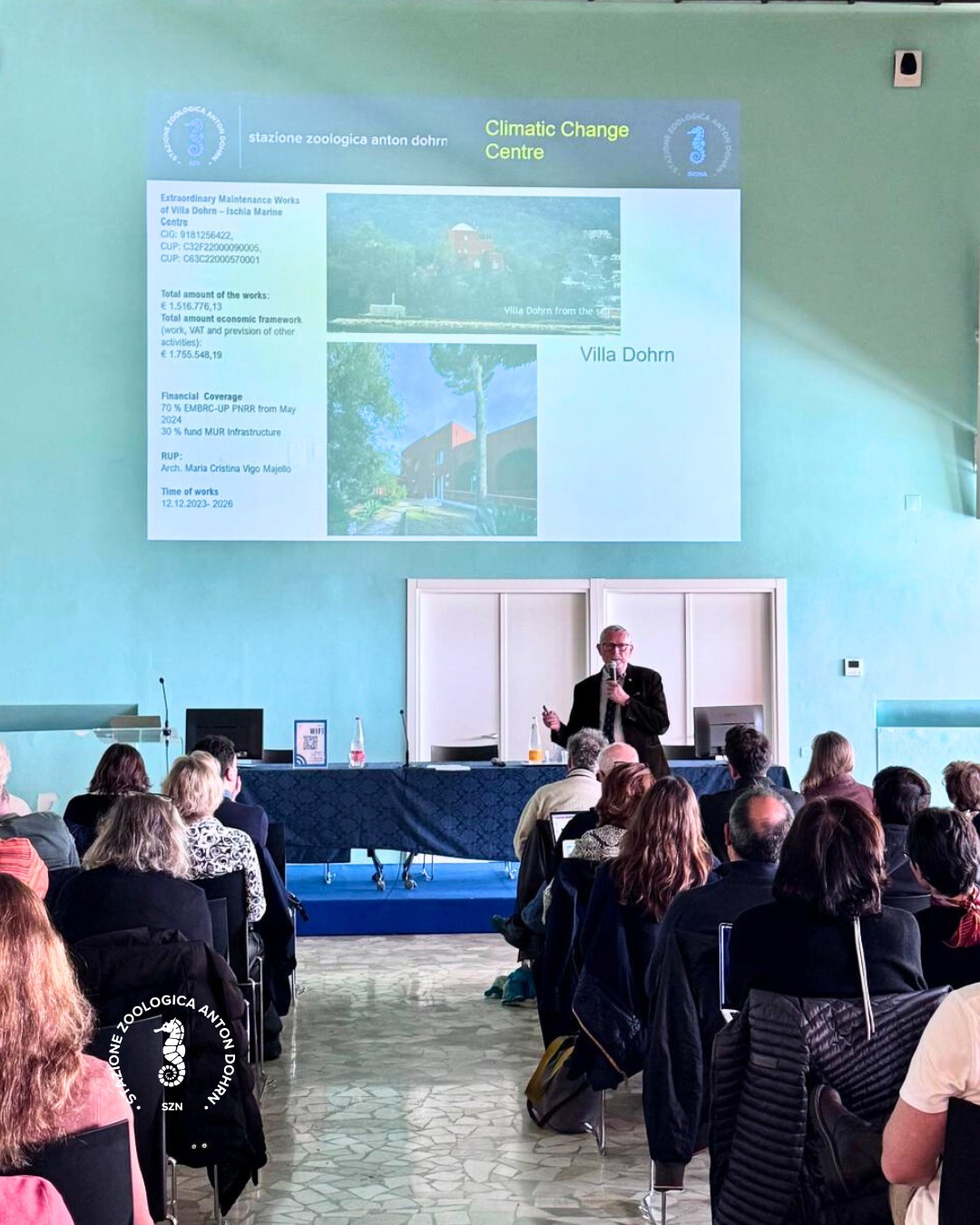
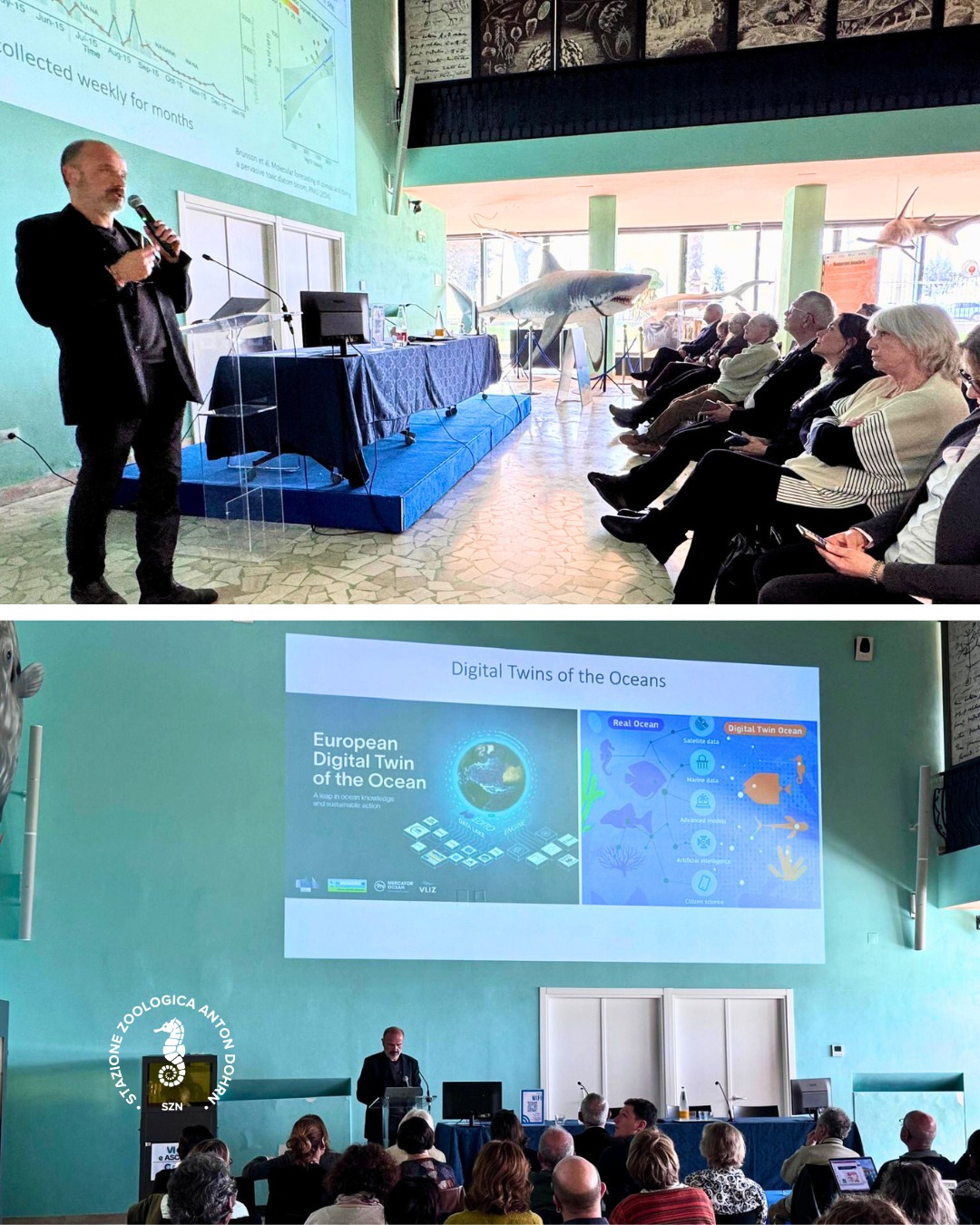
The proceedings opened on 16 March at the Darwin-Dohrn Museum, where the first council session was held. The meeting, introduced by the President of the Stazione Zoologica, Professor Roberto Bassi, and the President of the Scientific Council, Professor Paul Falkowski, was attended by the Heads of Department, who presented their respective scientific activities through reports and technical contributions from researchers belonging to the different units.
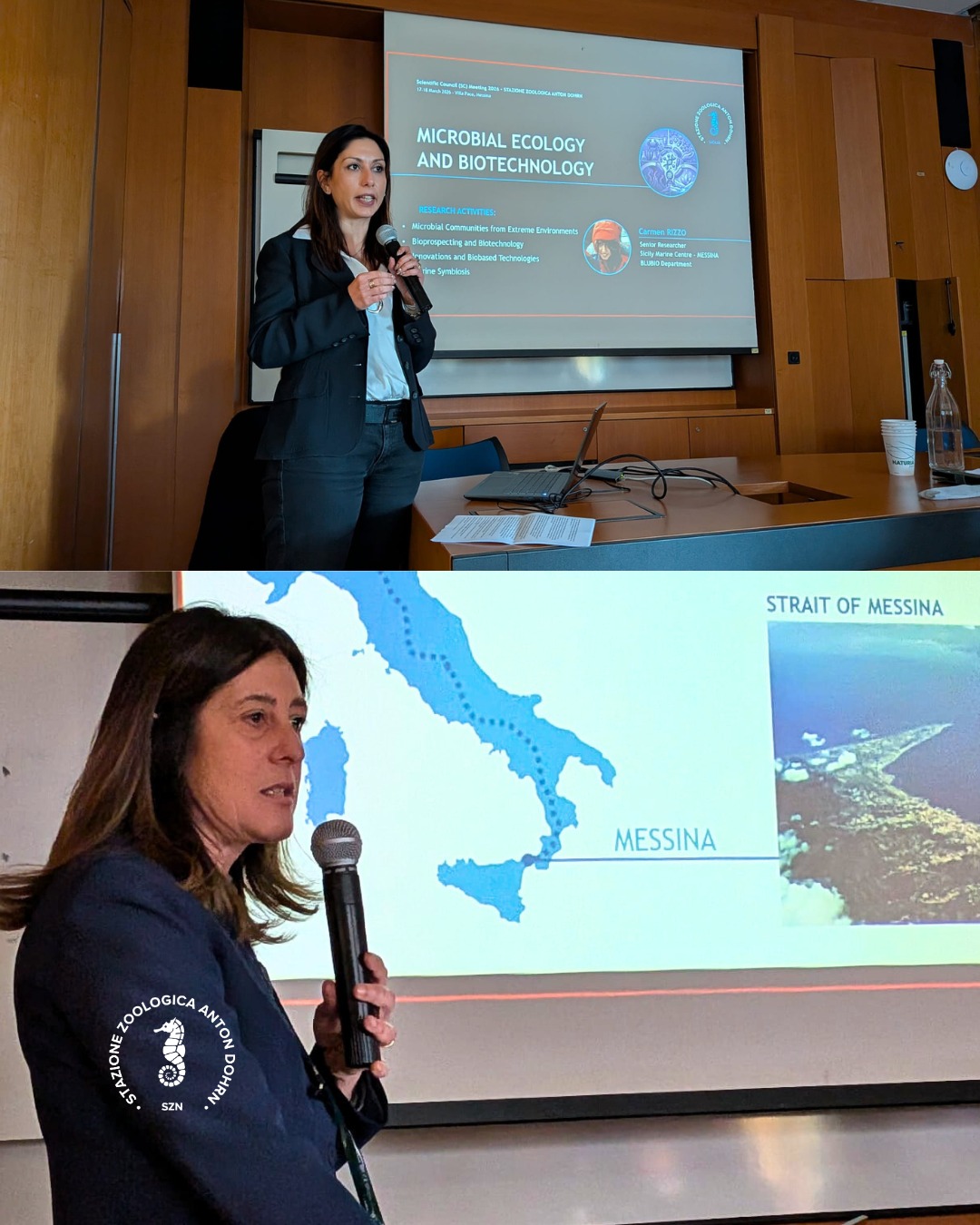
On the following day, the delegation visited the Sicily Marine Center at the Messina site. The session was opened by the Site Director, Dr. Teresa Romeo, who coordinated the presentations of the Principal Investigators (PIs) concerning ongoing projects at the Messina and Palermo sites. On this occasion, researchers from the Palermo site joined their colleagues in Messina, enabling direct interaction with the members of the Scientific Council.
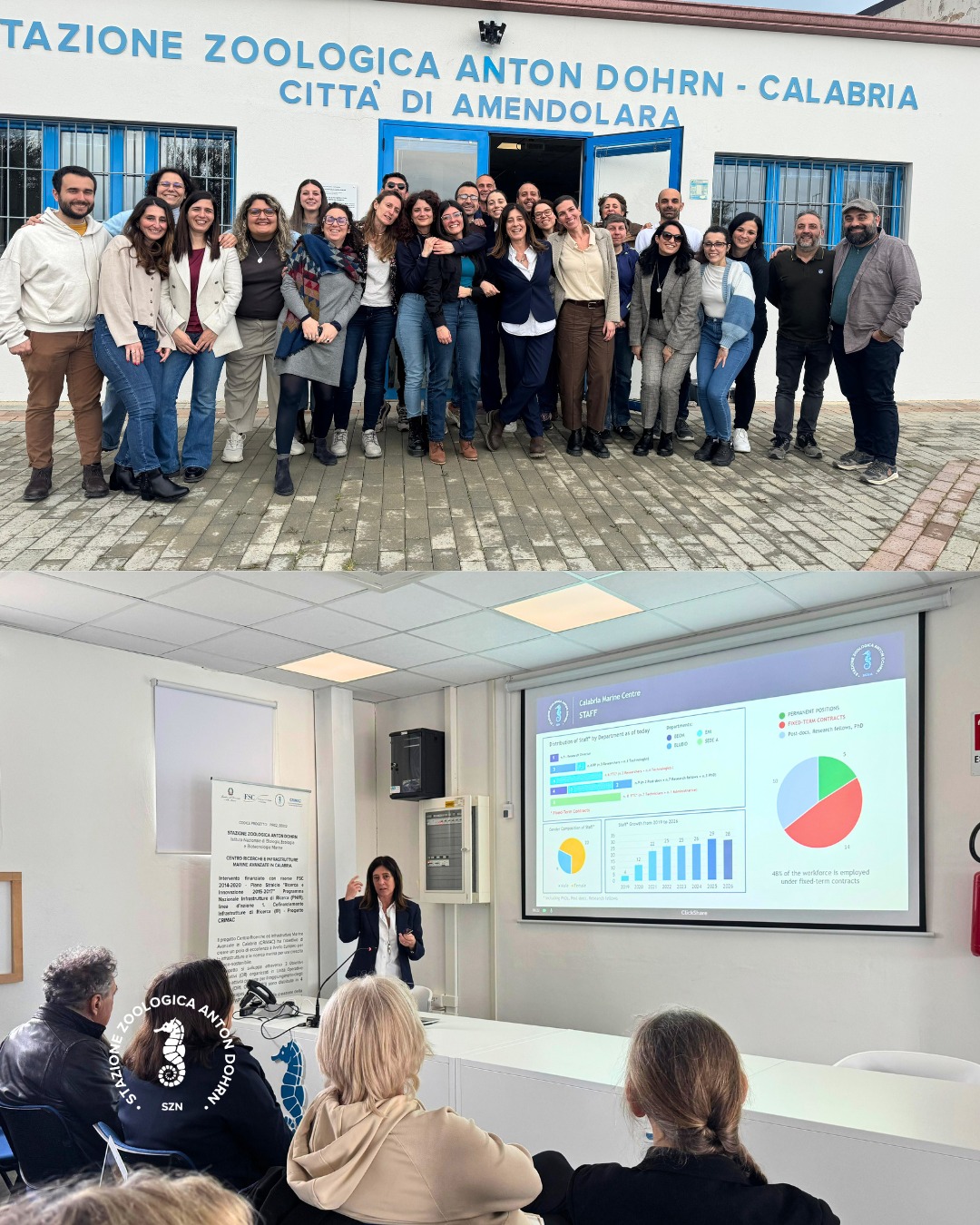
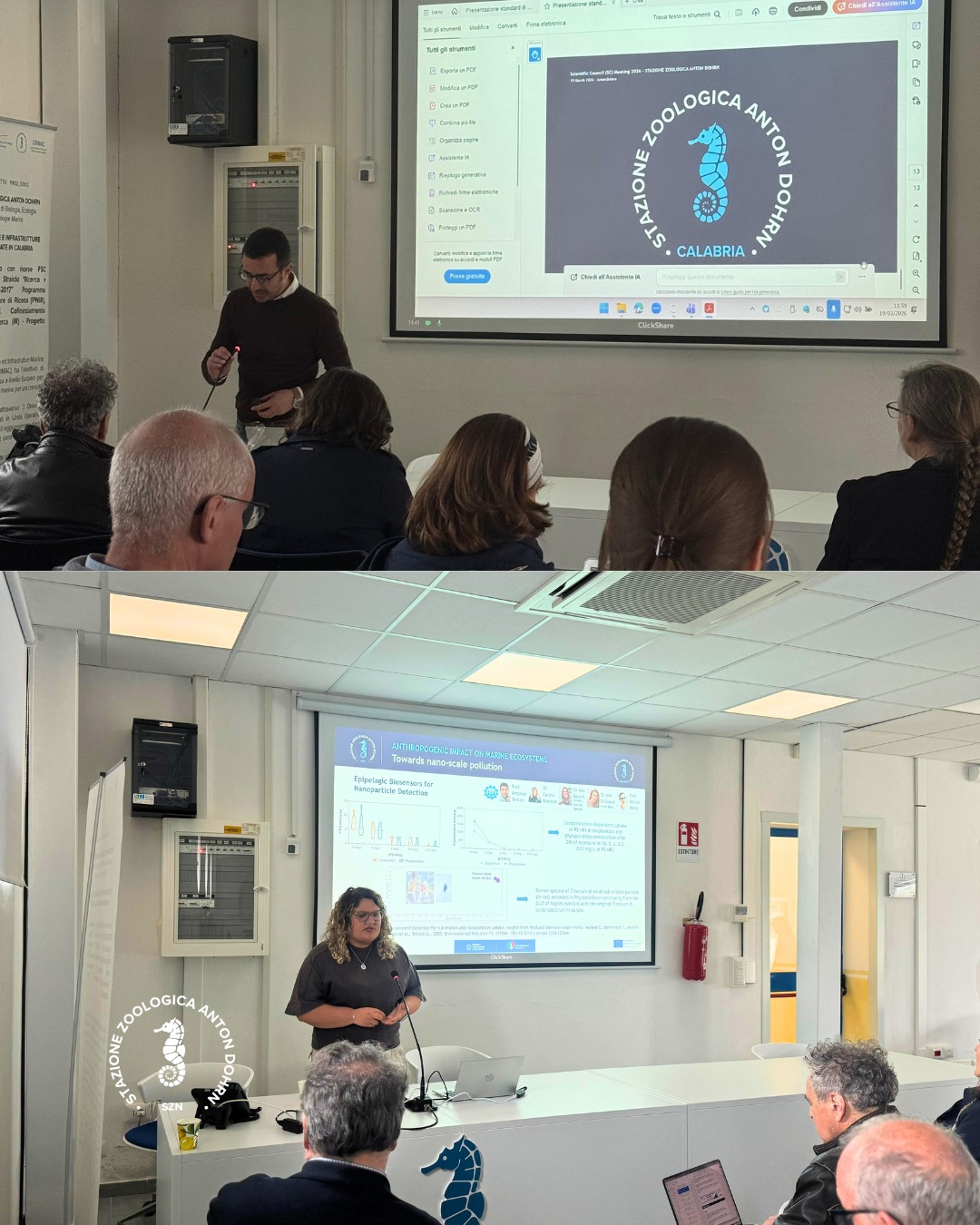
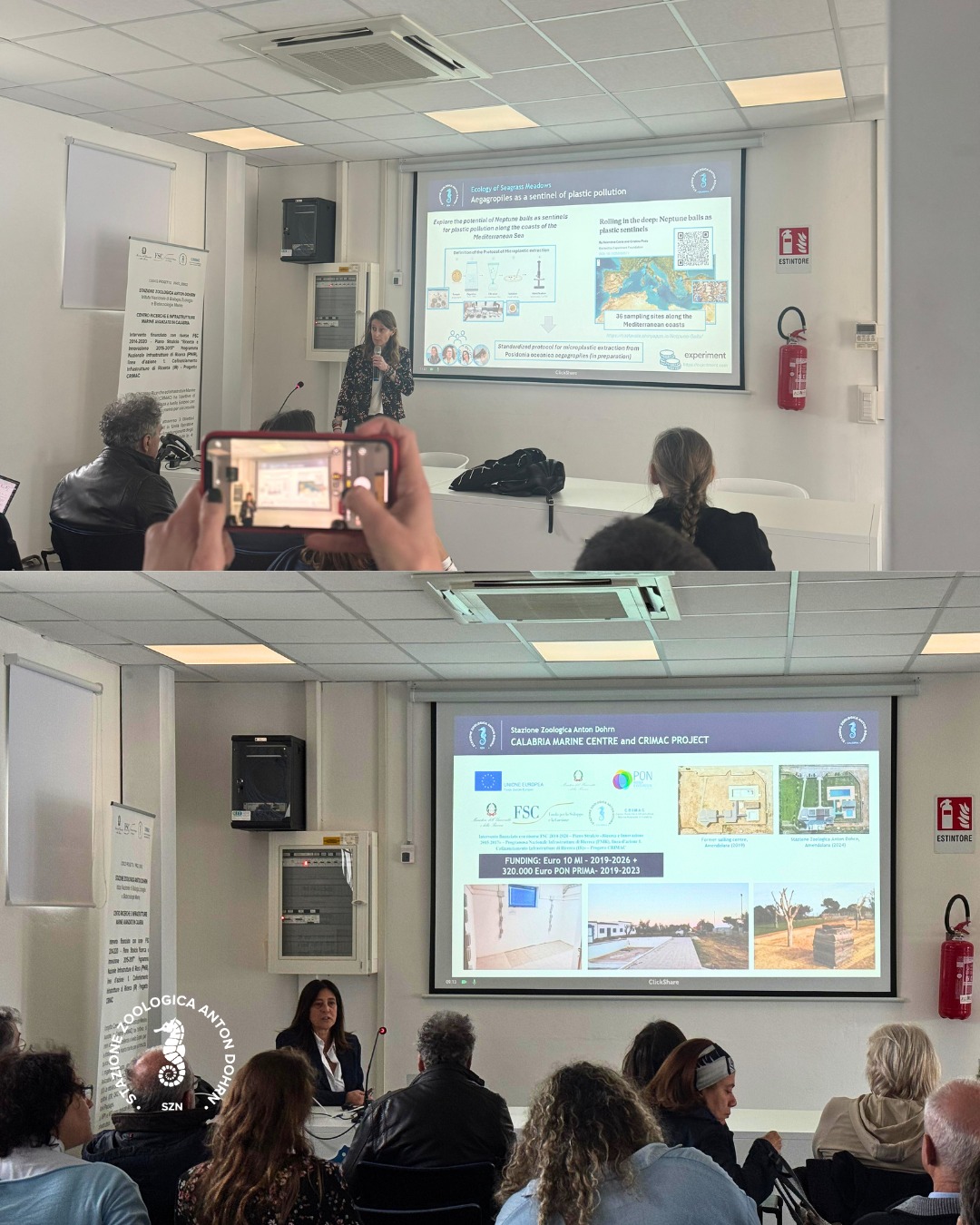
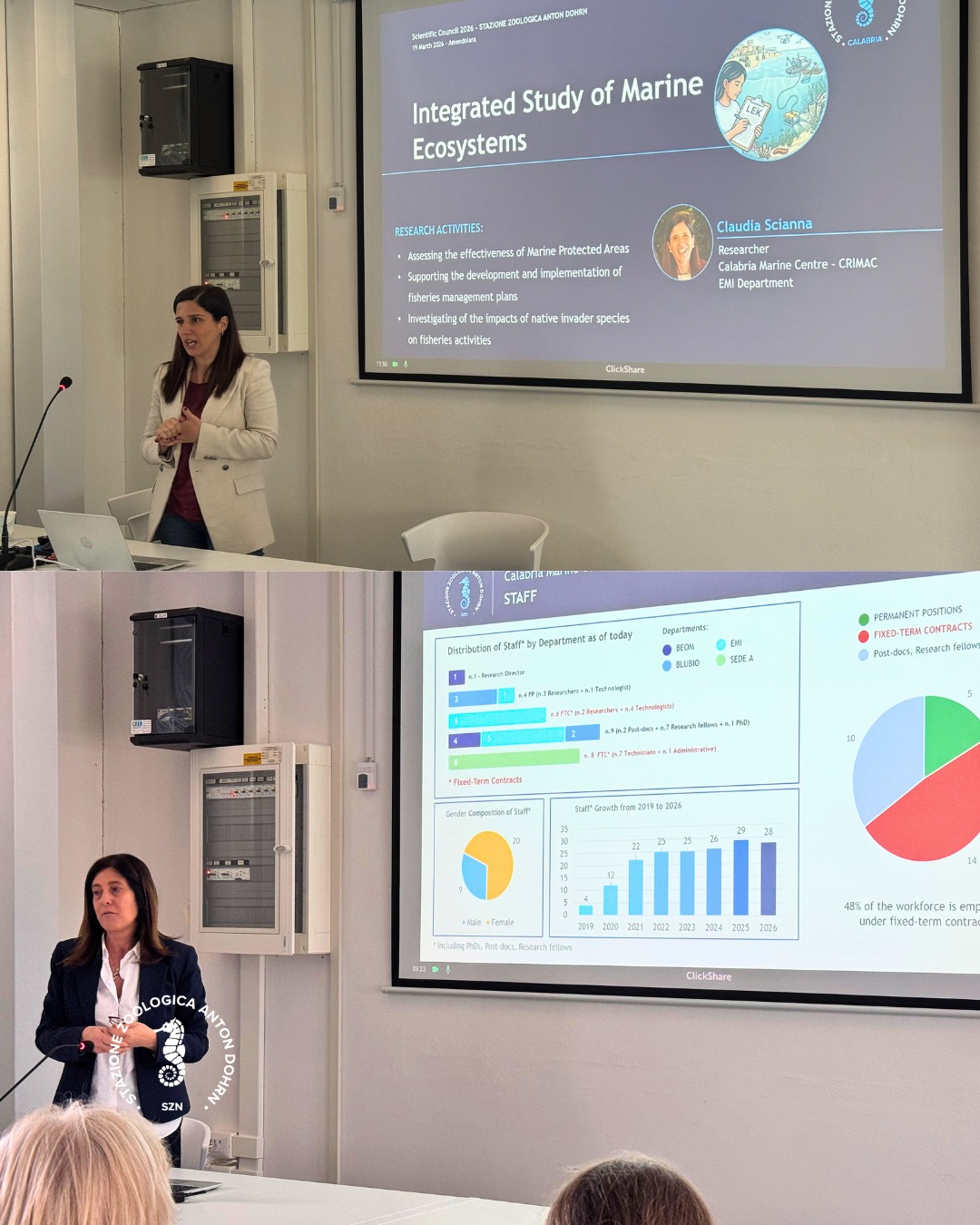
On 18 March, after concluding the final working sessions, the Council moved to the Calabria Marine Centre – CRIMAC, at the Amendolara site, where members had the opportunity to visit the Institute’s laboratories and facilities. The Site Director, Dr Teresa Romeo, together with the project Principal Investigators (PIs), presented the strategic objectives and scientific mission of the centre, highlighting the importance of its geographical location for research activities..
The 2026 Scientific Council’s site visit program formally concluded in Calabria.
The Institute extends its sincere thanks to all staff involved and to everyone who contributed, through their organizational and scientific support, to the successful implementation of these activities.
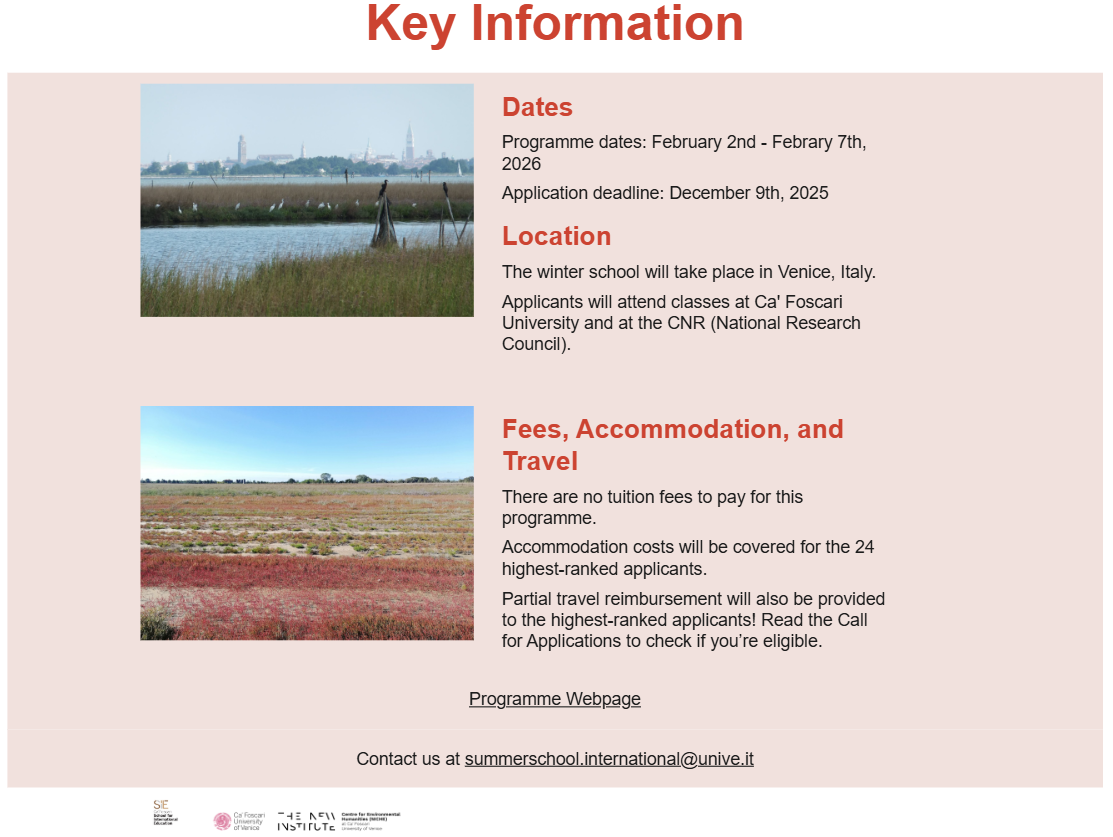
Selection of 30 students for the Winter School in Interdisciplinary Biodiversity 2026 – February 2-7
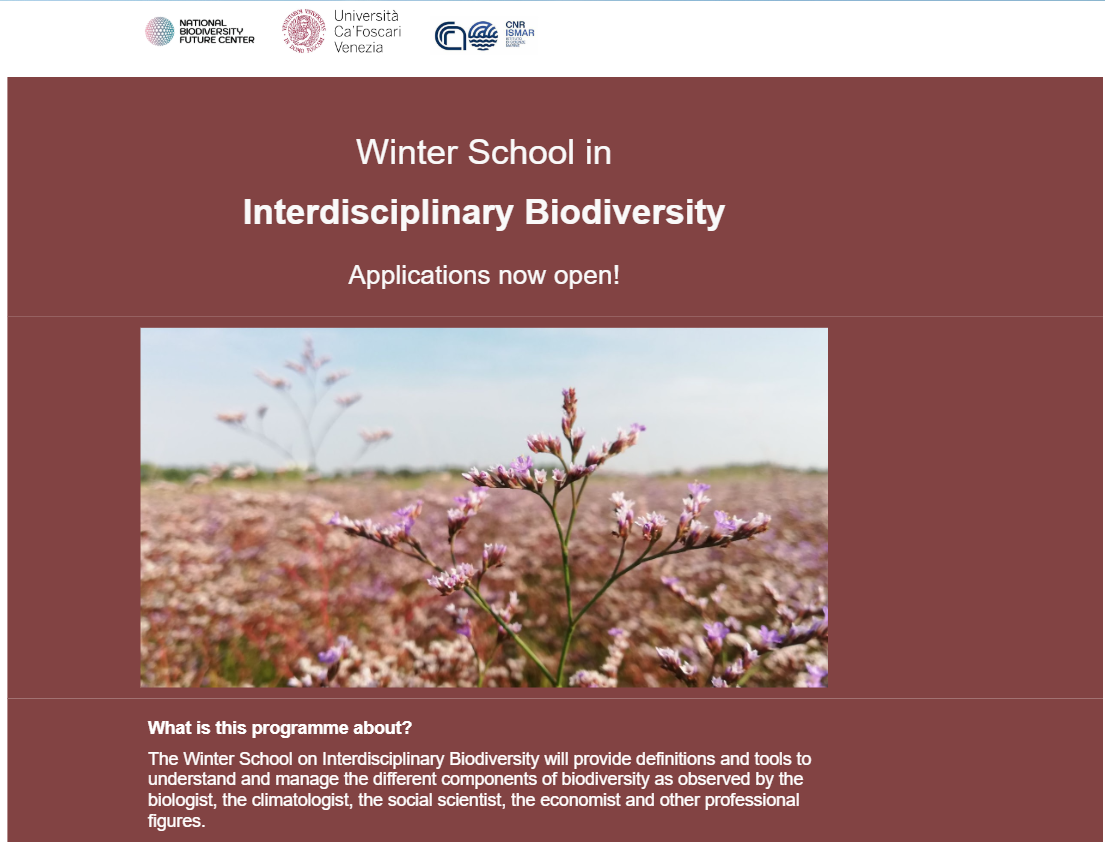
The Winter School, sponsored by the National Biodiversity Future Center (NBFC), is organised by Ca’ Foscari University’s School for International Education (CFSIE) in collaboration with the Italian National Research Council’s Istituto di Scienze Marine (CNR-ISMAR) so as to provide definitions and tools for the understanding and management of the different components of the biodiversity as observed by the biologist, the climatologist, the social scientist, the economist
and others. The programme takes a widely interdisciplinary approach, will investigate the following questions:
● What is biodiversity?
● How can it be measured nowadays, and its changes determined with respect to the
“natural” state of the environment?
● What are the ecosystem services provided by the biota and their effects on human
health, food production and energy supply?
● How is biodiversity conservation regulated by law?
The Program Director is Assistant Professor Corinna Guerra (Historian of Science, Department
of Philosophy and Cultural Heritage, Ca’ Foscari University).
Biodiversity is one of the most frequently used terms in today’s scientific and public discourse, yet its meaning often shifts depending on the speaker’s background, expertise, and societal role. As global environmental challenges intensify, it has become increasingly clear that no single disciplinary perspective is sufficient to address the conservation and management of biodiversity.
To meet this need, the 2nd edition of the Winter School on Biodiversity offers an interdisciplinary programme designed to illuminate the multiple dimensions of biodiversity through the lenses of biology, climatology, social sciences, economics, and more. Participants will gain the conceptual frameworks and practical tools needed to understand and manage the various components of biodiversity in the context of rapidly changing environmental and social landscapes.
Apply by December 9th, and join us in February 2026 in Venice, Italy: Call for Applications 2026 edition.
For further details and registration, please visit the official page: Winter School on Biodiversity.
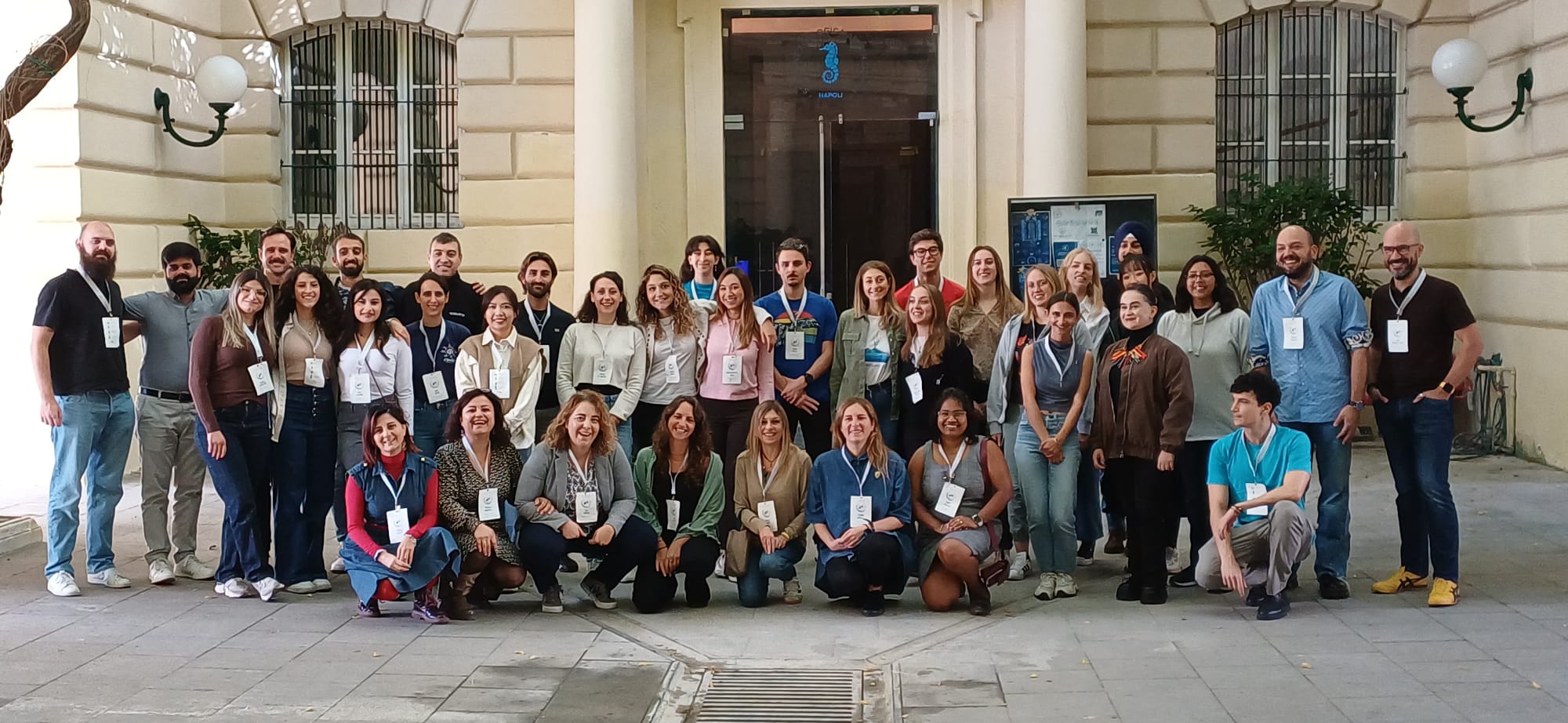
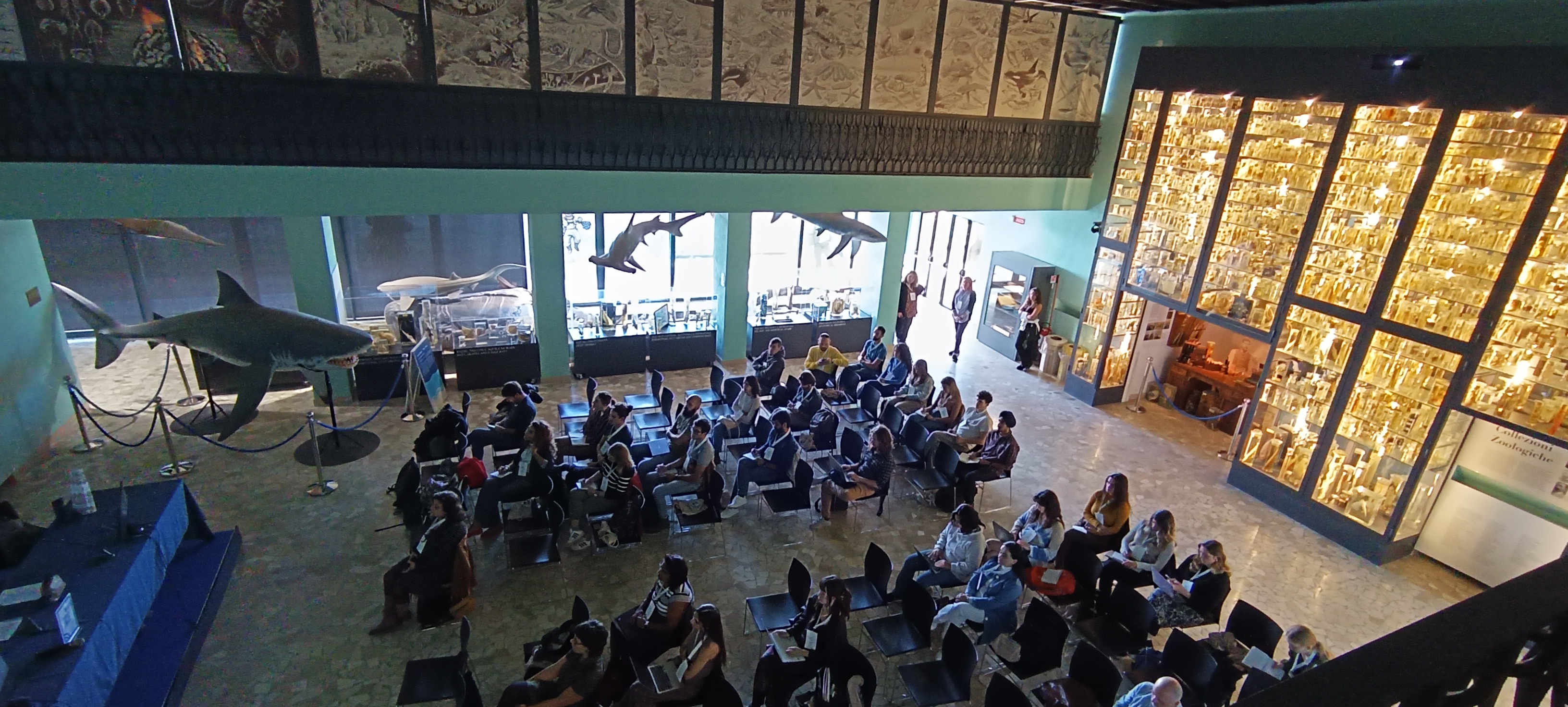
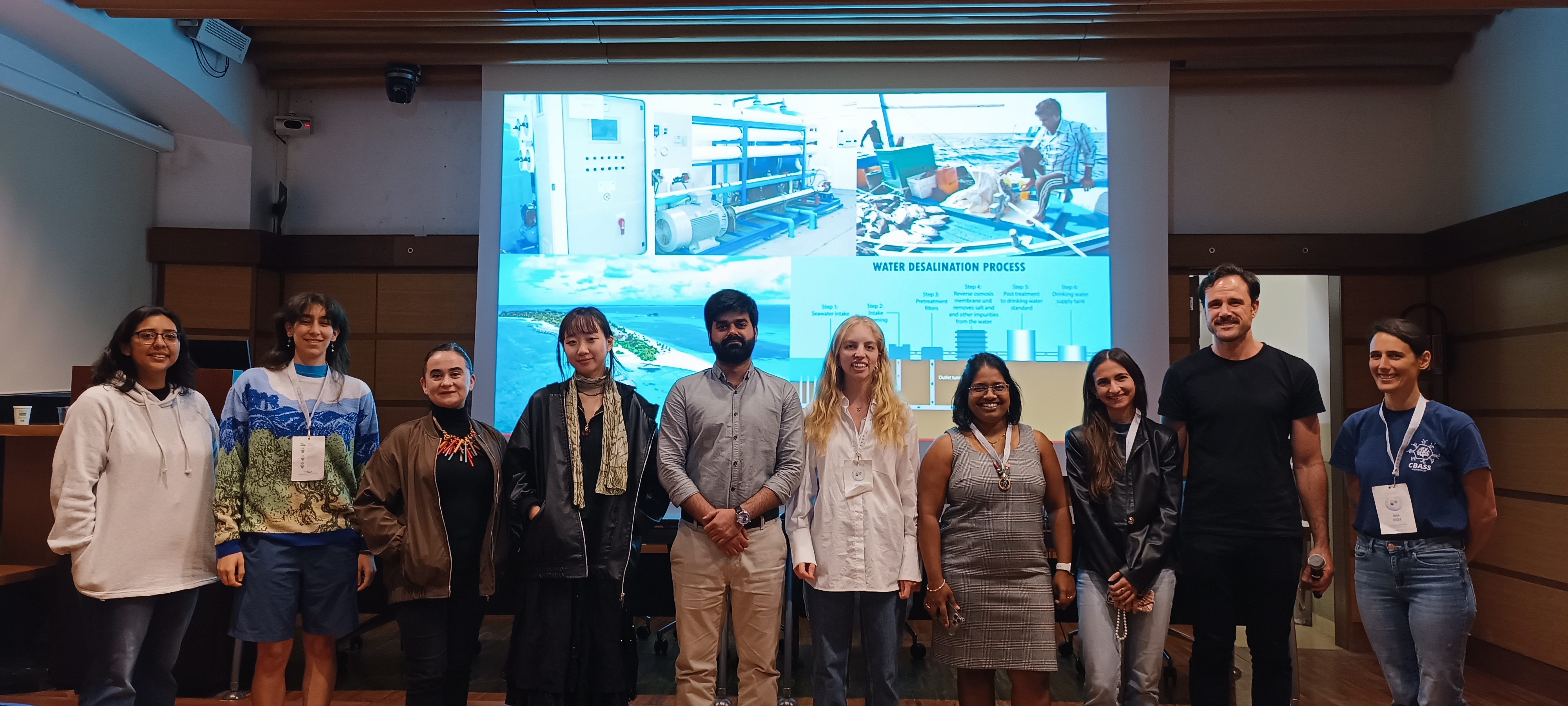
From October 27-30, 2025, the II International School “The Systems Biology approach to discover marine life: from a big eye to a microscopic picture” was held at the Zoological Station of Naples (SZN) and the Darwin-Dohrn Museum. It was organized by six SZN staff members from three different Departments:
- - Ecosustainable Marine Biotechnology Department: Dr. Valeria di Dato, Dr. Ida Orefice, Dr. Angela Sardo, Dr. Arianna Smerilli;
- - Biology and Evolution of Marine Organisms Department: Dr. Rossella Annunziata;
- - Integrative Marine Ecology Department: Dr. Lucia Campese
During the summer school, four distinct sessions were offered, each led by highly esteemed experts in their respective fields. The sessions included:
- Biodiversity and Ecological Interactions
- Omics Approaches for Systems Biology
- Evolutionary Genomics and EcoEvoDevo
- Biotech Applications/Synthetic Biology
Each session was structured into two main components: theoretical lessons in the morning, followed by practical sessions in the afternoon that focused on applying the concepts learned earlier in the day.
The school aimed to provide a comprehensive understanding of biological systems through an interdisciplinary approach, integrating various scientific areas with technological, experimental, and bioinformatic skills. Building on this holistic perspective, the school offered participants both basic and advanced knowledge in Biodiversity, Ecological Interactions, Evolutionary Genomics, and Omics disciplines. This integrated approach was applied to ocean studies for EcoEvoDevo research and Biotech applications.
Thirty-one students from nearly every part of the world attended the school in a highly stimulating and interactive manner.
Throughout the duration of the school, we had the pleasure of hosting teachers of exceptional scientific importance, both external and affiliated with the A. Dohrn Zoological Station. The historic location of the Zoological Station, along with the Darwin-Dohrn Museum and the Naples Aquarium, provided a delightful setting for the event.
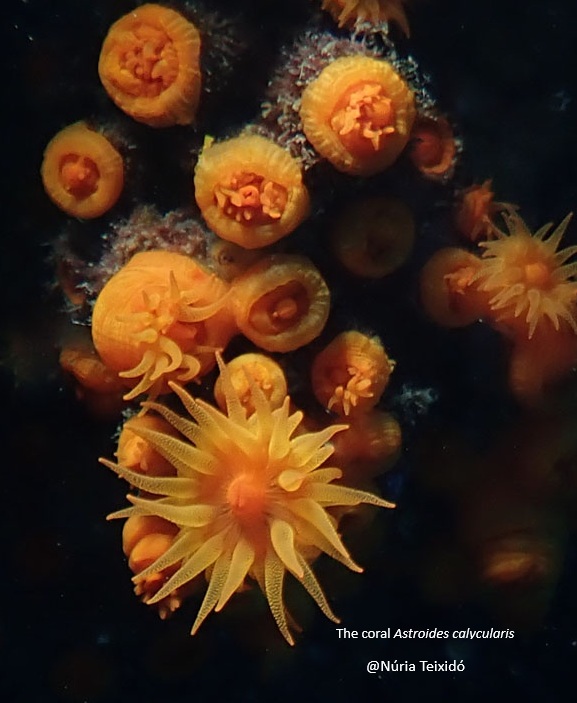
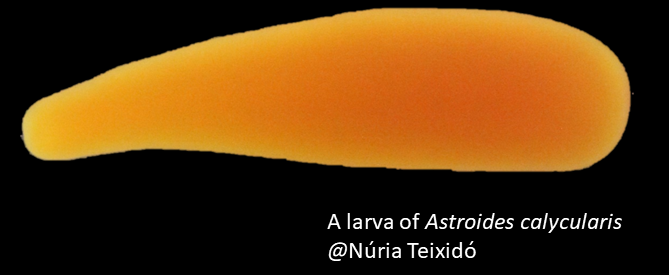
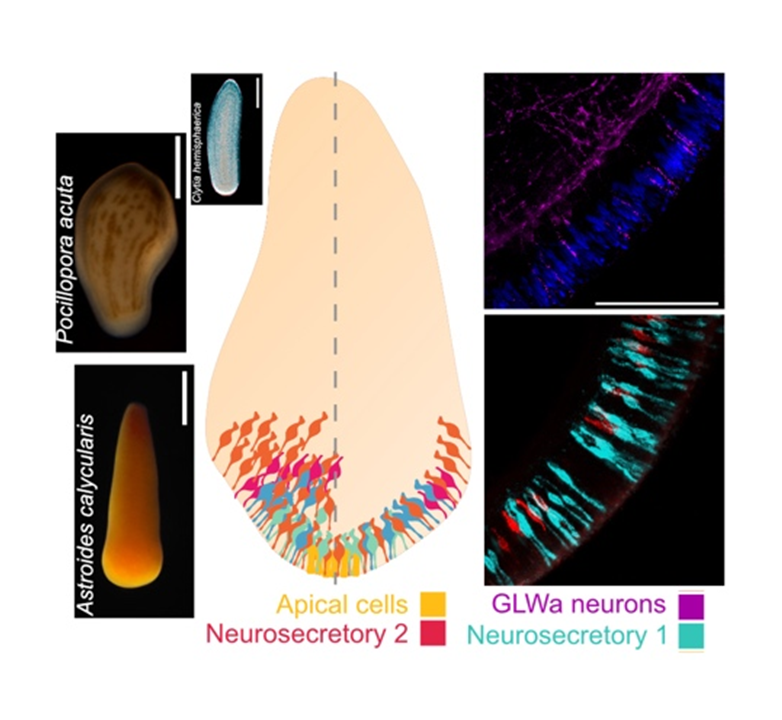
A collaborative study involving scientists from the Stazione Zoologica Anton Dohrn (SZN), led by the Laboratory of Developmental Biology and Evolution (LBDV), has shed new light on the cellular and molecular features involved in coral larval settlement—a critical step in reef formation.
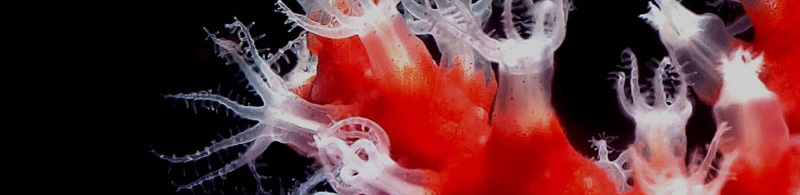
The research team conducted a comparative analysis of larvae from three cnidarian species: two corals (Astroides calycularis and Pocillopora acuta) and the hydrozoan jellyfish Clytia hemisphaerica. Focusing on the sensory structures at the anterior end of the larvae, the study revealed shared cellular and molecular traits across these species.
These findings offer fresh insights into the evolution of the animal nervous system and suggest a potentially conserved mechanism that may regulate the settlement behavior of coral larvae—an essential process for the establishment and resilience of coral reefs.
The complete article has been published in Science Advances.
Link: https://www.science.org/doi/10.1126/sciadv.adv1159
Bioengineering microalgae for their application as green cell factories
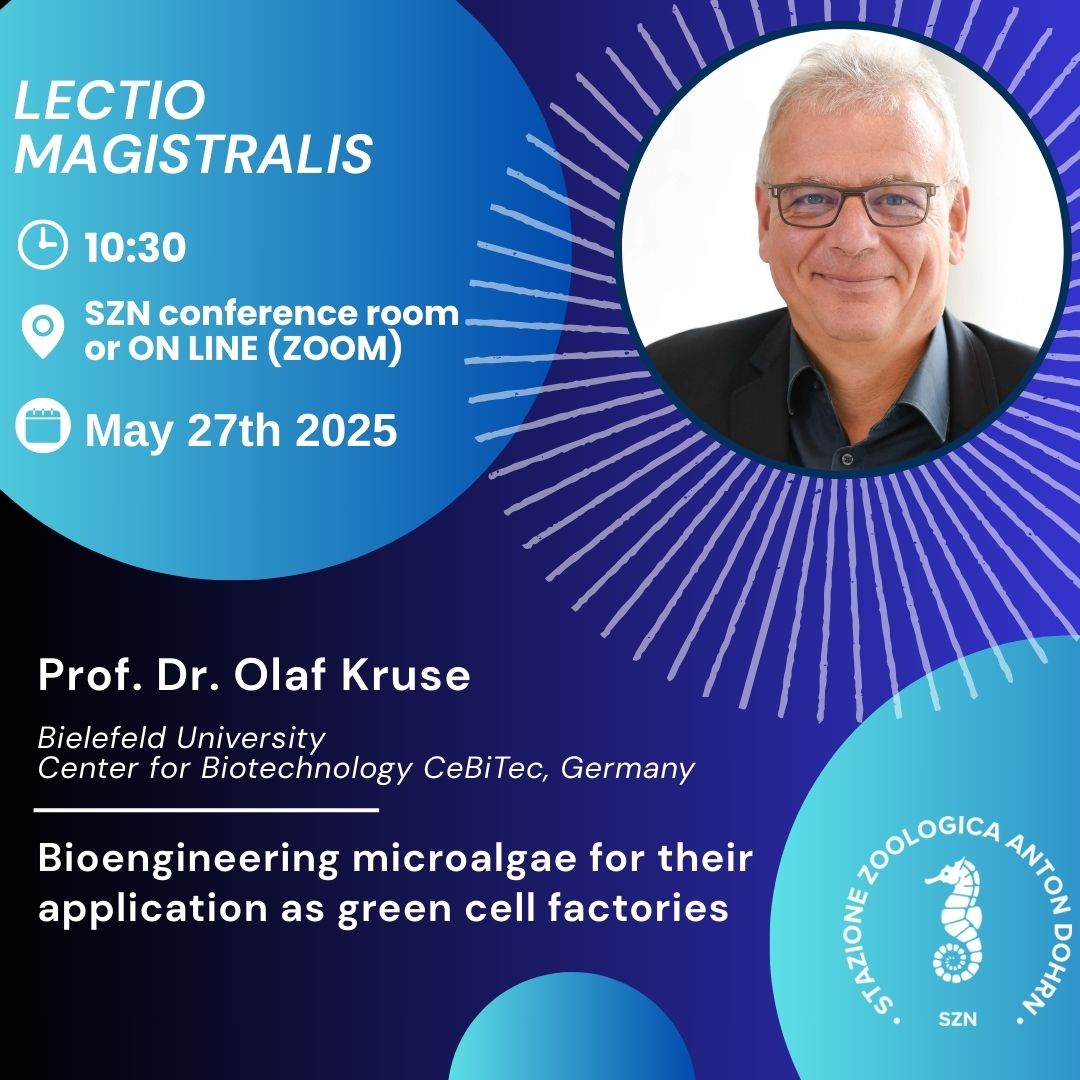 Microalgae are capable of efficiently converting inorganic CO2 with the help of sunlight energy and water splitting into organic biomass, which is composed of energy-rich carbon-based compounds. With this ability, microalgae have the potential to serve as “green cell factories” for bio-industries by bioengineering the direct catalysis of production processes for fine or bulk chemicals. However, in order to compete with heterotrophic bacteria systems in industrial biotechnology, bottlenecks such as limitations in photosynthesis, carbon fixation, and carbon partitioning towards the products of interest, as well as the availability of powerful molecular tools for the generation of mutants with enhanced efficiency as green cell factories have to be overcome. New achievements and insights into the design of synthetic constructs for efficient gene/protein expression and pathway engineering, performed with the microalga Chlamydomonas reinhardtii for the efficient synthesis of a variety of carbon-based products, will be presented with a specific focus on diterpenes and pigments.
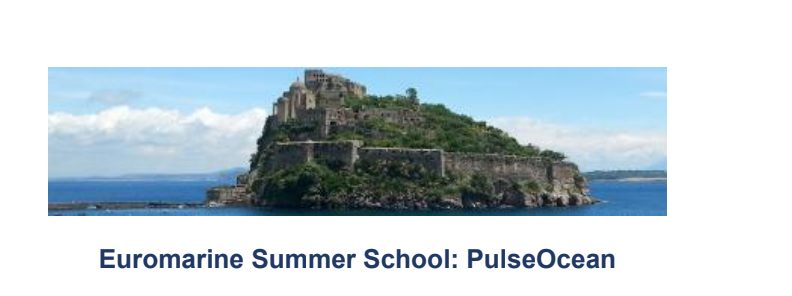
We are pleased to announce that applications are now open for our upcoming Euromarine Summer School PulseOcean.
Dates: September 14-20, 2025
Venue: Ischia Marine Center- Stazione Zoologica Anton Dohrn, Ischia, Italy.
Apply now: https://forms.gle/bb8QitenPPmzdsJfA
A Google account is required to complete the form due to the file upload fields
More information: here
Application deadline: May 26, 2025
All details are provided in the attached flyer, as well as in the PDF versions of the announcement and course information
We would be grateful if you could help us share this announcement widely with your networks.

We are pleased to announce that Professor Roberto Di Lauro has been appointed as the new President of the Dohrn Foundation.
Professor Emeritus of Medical Genetics, Roberto Di Lauro boasts a distinguished career in scientific research, with over 140 publications on gene expression and embryonic development, conducted at leading Italian and international institutions.
Throughout his career, he has served on numerous prominent scientific committees, including the Council of the European Molecular Biology Organization (EMBO), the fellowship committee of the Human Frontier Science Program (as Chair), the Scientific Advisory Committee of the European Molecular Biology Laboratory (EMBL, as Chair), and the "Cell and Developmental Biology" review panel of the European Research Council (ERC).
Former President of the Stazione Zoologica Anton Dohrn and Rector's Delegate for Research at the University of Naples Federico II, Professor Di Lauro also served as Science Attaché at the Italian Embassy in London from 2014 to 2018, after being awarded the prestigious title of Fogarty Scholar by the National Institutes of Health (USA).
From 2021 to 2026, he is serving as a member of the National Research Evaluation Committee (CNVR) at the Italian Ministry of University and Research. In 2007, he was honored with the title of Commander of the Order of Merit of the Italian Republic for his outstanding scientific achievements.
With his extensive experience and commitment to research and innovation, Professor Roberto Di Lauro will lead the Dohrn Foundation in its continued growth and advancement in the years to come.
Born on May 13, 1938, Irmgard Müller studied first pharmacy, then history and philosophy as well as the history of medicine and pharmacy at the universities of Freiburg, Bonn and Düsseldorf. From 1985 to 2005, she was director of the Institute for the History of Medicine at the Ruhr-Universität in Bochum.
Her research interests included the history of the organization of science, the form of representation of knowledge, the interrelationship between medicine and technology, the history of pharmacy and the modern history of medicine and natural sciences. Her heart was tied to the history of biology and especially to the history of the Stazione Zoologica di Napoli.
During long research stays at the SZN (funded by the DFG - Deutsche Forschungsgemeinschaft) I. Müller was among the first to make extensive use of the historical archive of the SZN. Her habilitation thesis on the Stazione Zoologica at the time of Anton Dohrn (Düsseldorf 1976) is still a model of completeness and precision, unfortunately accessible to few.
The research funds, especially German ones, obtained by I. Müller represented a first, important contribution to the ordering and cataloguing of the historical archive of the SZN. To her responsible collaboration we owe a renewal of the historical perspective on the Stazione Zoologica - from the stories of individual guests to a comprehensive perspective - through an exhibition and a catalogue in Naples (1974), at UNESCO in Paris (1975) and in Woods Hole (1980).
(Christiane Groeben e Heiner Fangerau)
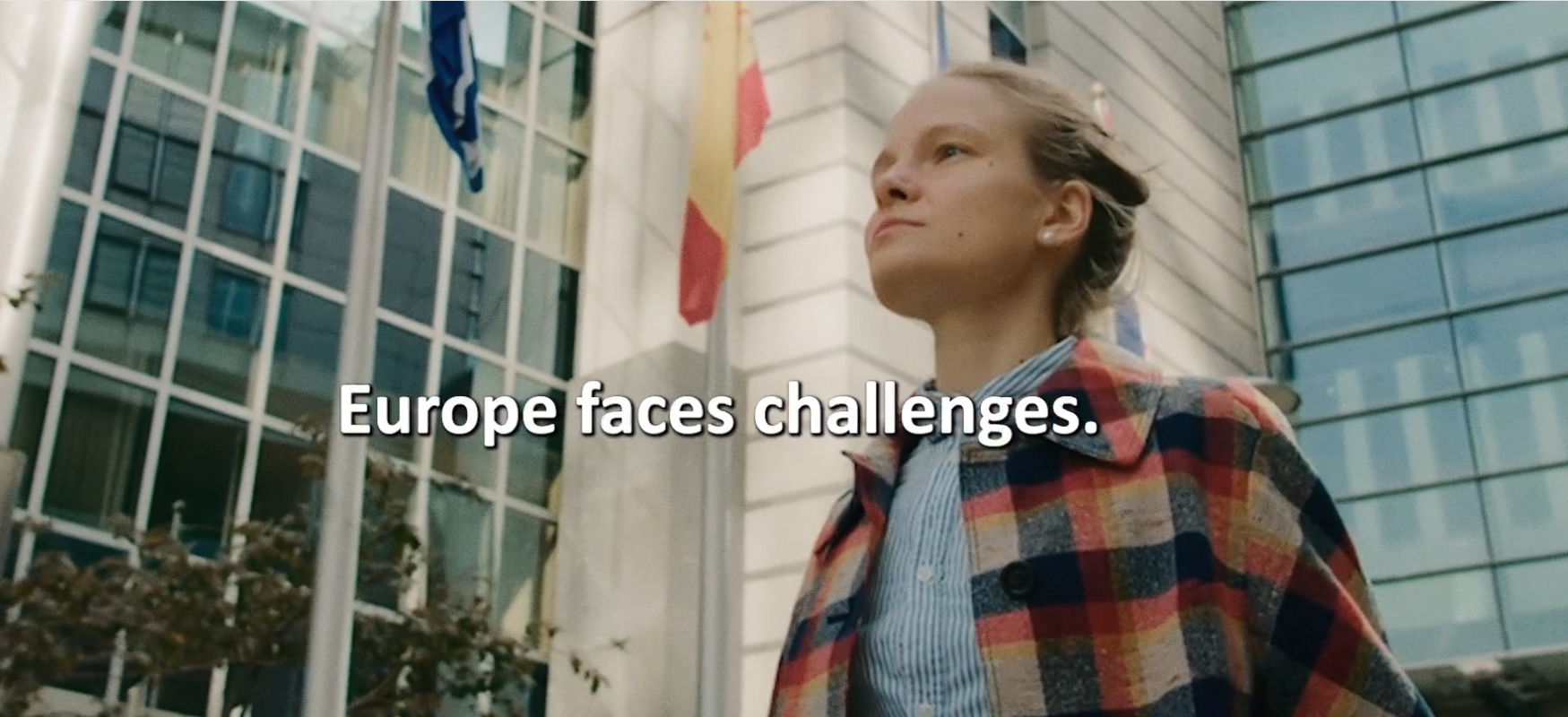
Getting Europe off cheaper Russian energy, once and for all, is just one of Europe's many challenges.
Combating the climate crisis and environmental pollution, and safeguarding public health and food security are some others. Science offers facts and evidence-based recommendations. Europe’s leading scientists work together in EASAC to provide independent, empirical, and future-oriented policy advice for European lawmakers.
Discover EASAC's work and how it connects to Europe's biggest challenges on the brand new website for policy makers:


Copyright © 2015 by Stazione Zoologica Anton Dohrn Napoli - Italy
Villa Comunale, 80121 Napoli - Tel.+39 081 5833111 - C.F./P.IVA : IT 04894530635 - PEC: ufficio.protocollo(at)cert.szn.it