

 Tenders and Job OpportunitiesJob callsScholarships and research fellowshipsOpen CallsENGLISHPages
Pages
Sicily Marine Centre
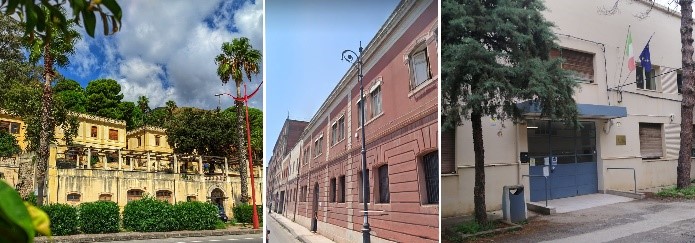 Sicily Marine Centre is an interdepartmental centre that deals with marine biology and ecology, through multidisciplinary studies and favoring an integrated approach.
The interdepartmental Sicily Marine Centre aims to study marine biological and ecological aspects by multidisciplinary and ecosystemic approach. The research activity is employed in three location: Messina, Milazzo e Palermo.
The main research topics are focused on:
• Study on biology and ecology of fish species, with particular focus on deep environments (meso- and batipelagic species), aimed to sustainable management of fisheries source according to an ecosistemic approach.
• Study on biodiversity conservation focusing on the design of spatial protection measures, on the ecological and socio-economic effects of protection and on governance models.
• Study on effects of global change the impact of marine litter on habitat and species.
• Application and implementation of biotechnology with particular regard to extreme environments and habitats of naturalistic interest.
Contact:
• Polo Messina: Villa Pace, C.da Porticatello 29, 98167 Messina (ME)
• Lab Milazzo: ex Molini Lo Presti, Via dei Mille 46, 98057 Milazzo (ME)
• Polo Palermo: Lungomare Cristoforo Colombo (complesso Roosevelt), 90149 Palermo (PA)
Executive Office
E-mail: This email address is being protected from spambots. You need JavaScript enabled to view it.
Tel.: +39 081 5833 784
 |
Seats Director |
Sicily Marine Centre is organized in 3 functional areas: |
Personnel
Research Director
Teresa Romeo (Director f.f.)
Senior Researcher
Antonio Di Franco
Sylvaine Giakoumi
Pietro Battaglia
Pierpaolo Consoli
Manfredi Di Lorenzo
Giacomo Milisenda
Carmen Rizzo
Mauro Sinopoli
Senior Technologist
Researcher
Adriana Alagna (TD)
Manuel Berlino (TD)
Cristina Pedà
Davide Spatafora (TD)
Laura Tamburello
Technologist
Technician
Messina Hub
Erika Arcadi
Antonin Costantino
Marco Pansera
Marilena Sanfilippo
Palermo Hub
Valeria Contino
Arturo Zenone (in aspettativa)
Administrative assistant
Francesca De Domenico (administrative office)
Enrica Terranova (TD)
Research Fellowship
Katherine Amorim
Blondine Agus
Andrea Bellodi
Valeria Palummo
Stefania Russo
Maria Vigo Fernandez
Scholarship
Alessia Abbriano
Chiara Bacchiani
Giuseppe Cangemi
Gianmarco Di Pace
Calogero Fontana
Claudia Mininni
PhD student
Emanuele Asciutto (DIN NBFC– UNIPA)
Francesco Fabiano (DIN NBFC – UNIPA)
Vittoria Dias (UNIMIB)
Eleonora Tinto (Open University)
Livia Benedini (DIN NBFC-UNIPA)
Ludovica De Vincenzis (UNICAGLIARI)
Manfredi Madia (UNICAGLIARI)
Research projects in progress
International
• POP CORAL - Paths of sustainable tourism above and under islander coral heritage
• SEA4FUTURE - Sustainable and Ecosystem-based Approach for Fisheries through the Utilization of Technology to Uphold Resilient Environments
• CercleBleu - CercleBleu - Accélérateur d’Innovation Transfrontalier pour la Gestion et la Valorisation du Crabe Bleu dans une Approche Circulaire
•TecMAReco - TecMAReco - Tecnologie ad alta risoluzione per il monitoraggio di rifiuti marini e rilevamento di effetti sugli ecosistemi marini protetti, verso un sistema di rilevamento rapido transfrontaliero
• INSPIRE - Integrated spatial planning across realms for biodiversity conservation and human development in a context of change
• MIRAMAR - Monitoring cumulative Impact to guide mitigation and RestorAtion in the MediterrAnean Region
• INTEGRA - Integrating research, storytelling and education for addressing ecological and human dimensions of shark conservation
• LIFE PROMETHEUS - PROMoting Elasmobranchs conservation THrough by-catch reduction, Ecotourism and alternative sUStainable fisheries
• CAMBioMed - Coordinated and adaptive monitoring of biodiversity change across Mediterranean rocky ecosystems
• DecarbonyT - Decarbonisation of the fishing fleet in the Mediterranean and Black Sea
• SPILLOVER-MED - Assessing spillover from marine protected areas to adjacent fisheries: Mediterranean and Black Seas
• GreenList4MMPAs - Adapting IUCN Green List Standard to the Mediterranean Marine Protected Areas
National
• SPREAD - Unraveling environmental and anthropogenic factors ShaPing the snow microbiome and antibiotic REsistome At Dome C (Antarctica)
• PRIMAR - Potential Role of Sea Ice change in controlling Mercury in coastal Antarctic Areas
• Recovering Southern Apulia Seascape for a thriving ocean and resilient communities
• NBFC – National Biodiversity Future Centre – Spoke 1, Spoke 2, Spoke 7
• Reconnect - PRIN 2022 - Reconciling conservation and exploitation of a keystone species through networks of Marine Protected Areas
• CIAO MARE - PRIN 2022 - Cephalopod Integrated Analysis to identify the impact Of MARine Environmental pollution
• EuFish - European fisheries enhancement through "Omic" characterization and innovative seafood production from underutilised fish species
Agreements
• VERMOCANE - Il Vermocane (Hermodice carunculata): monitoraggio degli impianti di acquacoltura e mitilicoltura e possibili interventi contenitivi
• AMP_Milazzo - Accordo di collaborazione per le attività nell’ambito del progetto “Capitale Naturale - Ecorendiconto” nell’Area Marina Protetta Capo Milazzo
• CON24GMILI_ISPRA_D03_04 - D03-04 Test di indicatori: Consolidamento e completamento degli approcci analitici e modellistici, basati su simulazioni di popolazioni marine pescate in modo sostenibile
• CON24MMANG_ISPRA_D6_03 - D6-03 Comunità epimegabentoniche: Studio delle comunità epimegabentoniche sottoposte a perturbazioni fisiche
• CON24PBATT_ISPRA_D03_06 - D03-06 Pesca ricreativa: caratterizzazione e valutazione della consistenza della pesca ricreativa in mare sul territorio italiano, e del relativo impatto sulla biodiversità e sulle risorse alieutiche
Genova Marine Centre
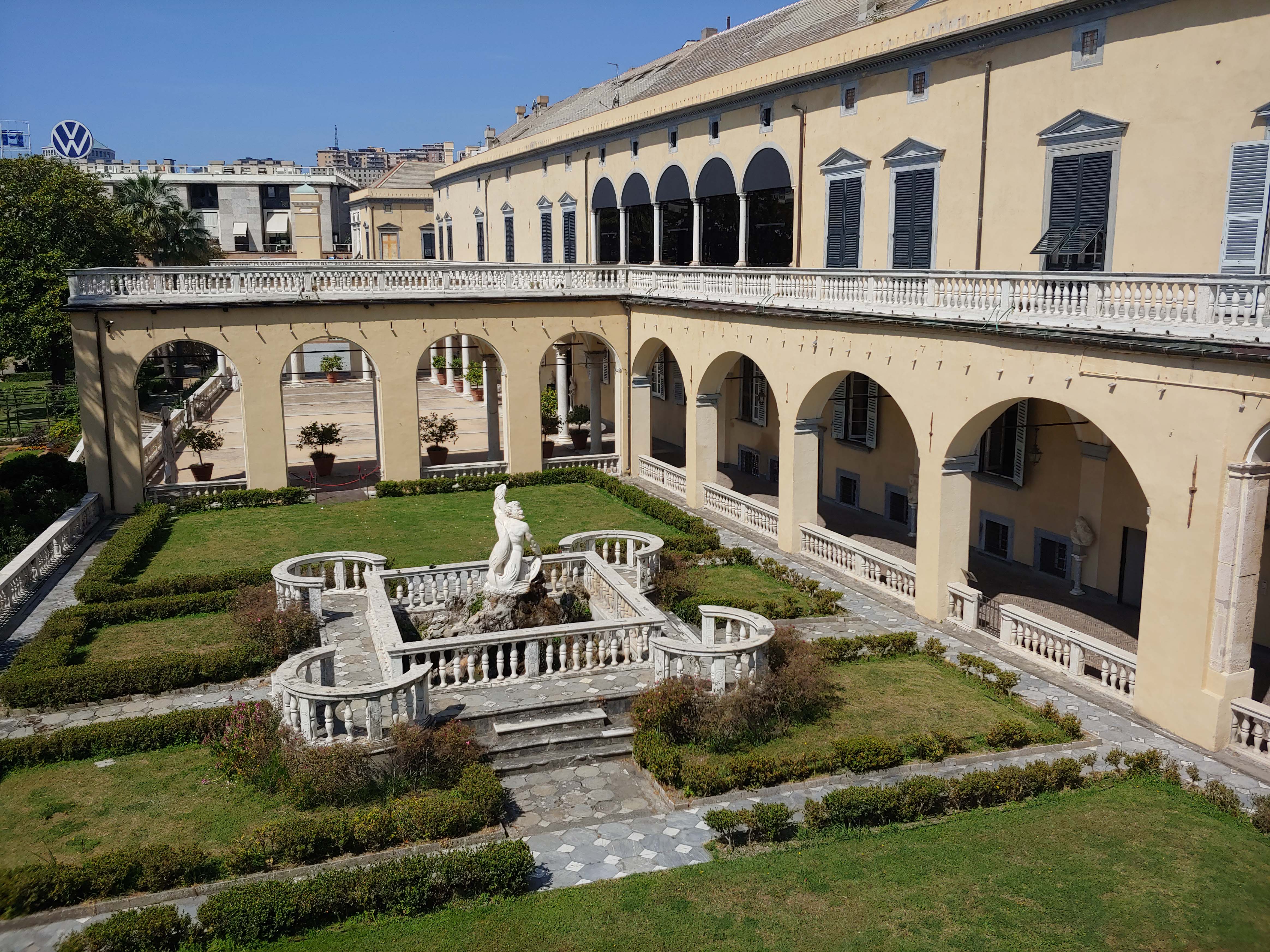 The Genova Marine Center is a territorial office of the Stazione Zoologica Anton Dohrn (National Institute of Marine Biology, Ecology and Biotechnology) established in October 2021 and dedicated to: i) the study of marine biodiversity; ii) the assessment of the effects of anthropogenic impacts and climate change at sea; iii) the identification of solutions for the conservation of marine species and ecosystems from the perspective of sustainable development (from an environmental, historical-cultural and socio-economic point of view).
Mission
Our mission consists of three main axes:
1) to investigate biodiversity and ecosystem functioning in the marine environment, integrating coastal and offshore systems, as well as pelagic and benthic components;
2) to analyze and evaluate the socio-ecological effects of multiple human impacts (both direct, such as fishing or pollution, and indirect, caused for example by climate change, such as temperature rise, acidification and spread of alien species) on marine organisms, populations, communities, habitats and ecosystems, including the consequences on ecosystem services;
3) to identify solutions for a more sustainable management of marine resources (e.g., in relation to small scale fishing and the consumption of seafood) and a more effective conservation of marine biodiversity (e.g., through networks of Marine Protected Areas), evaluating the effects at the bio-ecological and socio-economic levels.
The purpose of the GMC is, therefore, to carry out research, training-education and institutional support activities in the field of marine biology, ecology and conservation from a sustainable development perspective, according to the guidelines established by the decision-making bodies of the SZN.
The office has managerial autonomy in the forms and within the limits provided for by the Regulations of the SZN.
Scientific interests
The current research staff carries out multidisciplinary research, from basic biology and ecology to applied socio-ecology (which integrates humans into the systems investigated), dealing with organisms, species,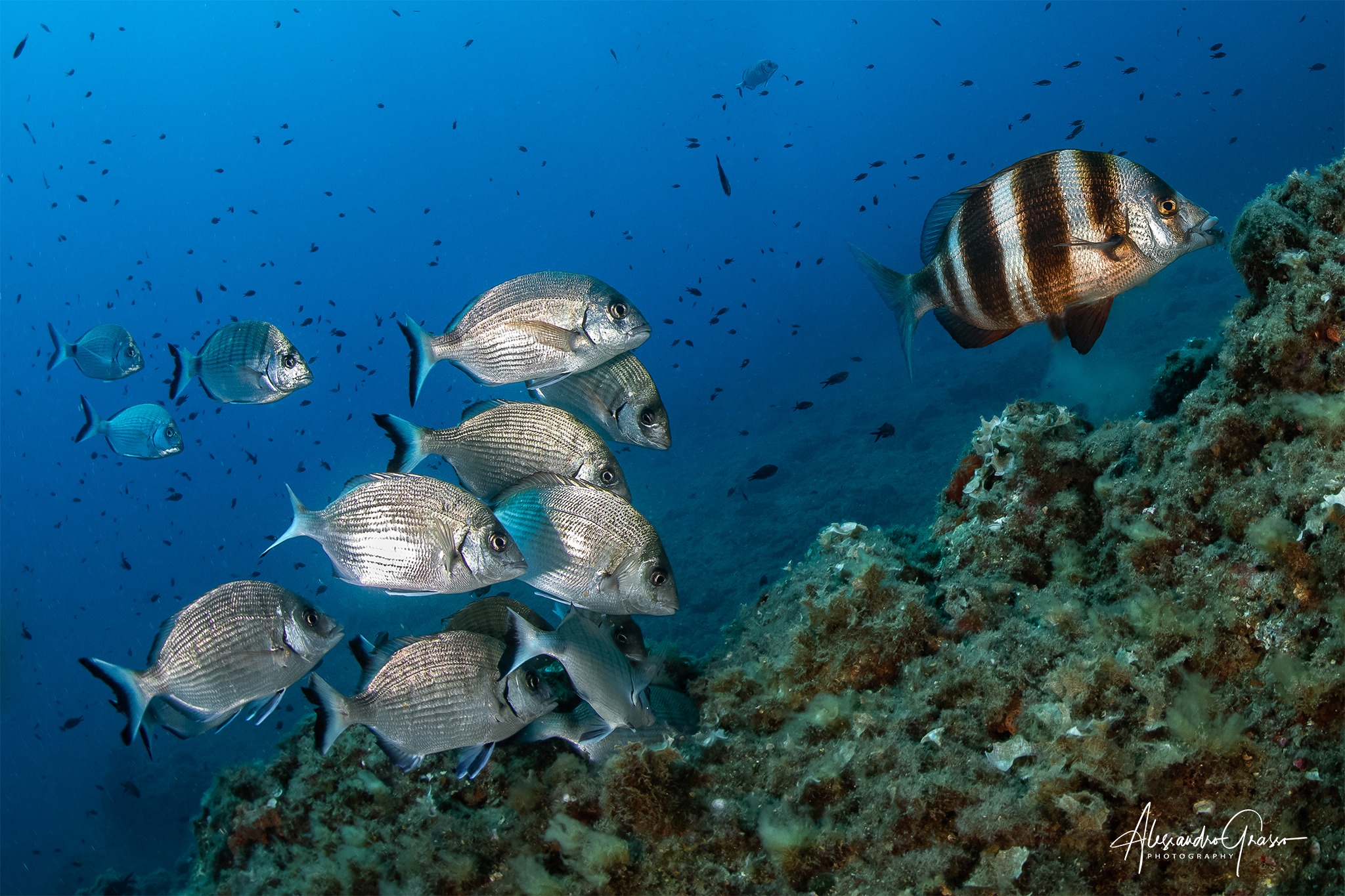 populations, communities, habitats and socio-ecosystems, especially in the Mediterranean Sea.
The main focus is 'conservation', a term that combines the protection of marine biodiversity with the human well-being, from a sustainable development perspective, also in support of institutional policies at both local-national (municipalities, regions, ministries) and EU-global levels (DG ENV and MARE; UNEP; etc.), in accordance with the main strategies such as the Biodiversity Strategy for 2030, the cornerstone of the EU Green Deal.
A distinctive feature of the scientific team is that research activities are carried out at sea using multiple methods: i) scientific underwater diving; ii) using research or fishing vessels; iii) by means of remote systems (including ROVs, video cameras, satellite marking, hydrophones); iv) experimentation in laboratory and in controlled environments; v) interviews and questionnaires addressed to stakeholders (fishers, tourists, divers, consumers, etc.), citizens and the general public.
Together with the research activity, the team is strongly involved in training, dissemination, communication, public engagement and education activities, in order to improve the level of knowledge and increase the environmental awareness of both institutions and citizens.
The logistics of the GMC territorial office is under the supervision, within the limits set by the Regulations of the SZN, of the coordinator: Dr. Paolo Guidetti
Staff
Paolo Guidetti, Research Director and Coordinator
Administration
Pietro Santagata
Senior Researcher
Francesca Rossi
Federica Ragazzola
Researcher
Massimiliano Bottaro
Simone Farina
Technologist
Postdoc
Silvia Secco
Marta Maria Cecchetto
Diego Mattioli
Elena Quintanilla Alcaide
Simona Laukaityte
Luca Palazzo
MohammadReza Mirzaei
Roberta Minetti
Fellowship
Noemi Gargano
Floriana Trova
PhD Student
Ilaria Di Lauro
Matteo Nannini
Roberta Lacorte
Tamara Smith
Fellow
Associated
Carlo Nike Bianchi
Ivan Consalvo
Carla Morri
Simona Bussotti
Egidio Trainito
Marco Bartoli
Angelo R. Mojetta
Publications 2022
Amodio P & Fiorito G (2022) A preliminary attempt to investigate mirror self-recognition in Octopus vulgaris. Frontiers in Physiology 13: 951808. https://doi.org/10.3389/fphys.2022.951808
Milito A, Cocurullo M, Columbro A, Nonnis S, Tedeschi G, Castellano I, Arnone MI, & Palumbo A (2022) Ovothiol ensures the correct developmental programme of the sea urchin Paracentrotus lividus embryo. Open Biology 12(1):210262. https://doi.org/10.1098/rsob.210262
Murano C, Vaccari L, Casotti R, Corsi I, & Palumbo A (2022) Occurrence of microfibres in wild specimens of adult sea urchin Paracentrotus lividus (Lamarck, 1816) from a coastal area of the central Mediterranean Sea. Marine Pollution Bulletin 176:113448. https://doi.org/10.1016/j.marpolbul.2022.113448
Paganos P, Voronov D, Musser JM, Arendt D, & Arnone MI (2021) Single-cell RNA sequencing of the Strongylocentrotus purpuratus larva reveals the blueprint of major cell types and nervous system of a non-chordate deuterostome. eLife 10:e70416. DOI: 10.7554/eLife.70416
Publications 2022
Albarano l, Serafini S, Toscanesi M, Trifuoggi M, Zupo V, Costantini M, Vignati DAL, Guida M, Libralato G (2022) Genotoxicity set up in Artemia franciscana nauplii and adults exposed to phenanthrene, naphthalene, fluoranthene, and benzo(k)fluoranthene. Water 2022;14: 1594
Ausuri J, Dell’Anno F, Vitale GA, Palma Esposito F, Funari V, Franci G, et al. (2022) Bioremediation of Multiple Heavy Metals Mediated by Antarctic Marine Isolated Dietzia psychralcaliphila JI1D. Journal of Marine Science and Engineering [Internet]. 10(11).
Balzano S., Sardo A. (2022) Bioinformatic prediction of putative metallothioneins and phytochelatins in non-ciliate protists. Biology Letters. https://doi.org/10.1098/rsbl.2022.0039
Barra L, Sardo A, Moros Caballero M, Smerilli A, Chiaiese P, Percopo I, Cavalletti E, Castro-Hinojosa C, Balzano S. (2022). Identification of a Green Algal Strain Collected from the Sarno River Mouth (Gulf of Naples, Italy) and Its Exploitation for Heavy Metal Remediation. Microorganisms 10, 2445. https://doi.org/10.3390/microorganisms10122445
Bertolino M, Costa G, Ruocco N, Esposito R, De Matteo S, Zagami G, & Costantini M (2022) First certain record of Demospongiae class (Porifera) alien species from the Mediterranean Sea. Marine Genomics 63. https://doi.org/10.1016/j.margen.2022.100951
Brillante S†, Galasso C†, Lauritano C†, Carrella S (2022) From the Sea for the Sight: Marine Derived Products for Human Vision. Frontiers in Aging Neuroscience. 468. †First author shared.
Capalbo A., Lauritano C. § (2022) Multiple Myeloma: Possible Cure from the Sea. Cancers. 14: 2965. https://doi.org/10.3390/cancers14122965. § Corresponding author
Caruso F, Tedesco P, Della Sala G, Palma Esposito F, Signore M, Canese S, et al. (2022) Science and Dissemination for the UN Ocean Decade Outcomes: Current Trends and Future Perspectives. 9. doi: 10.3389/fmars.2022.863647.
Cavalletti E, Sirico D, Miccio L, Bianco V, Memmolo P, Sardo A, Balzano S, Ferraro P (2022). A study on motility of the green microalgae Tetraselmis tracked by digital holography. IEEE 10.1109/MetroSea55331.2022.9950916.
Cavalletti E, Romano G, Palma Esposito F, Barra L, Chiaiese P, Balzano S, Sardo A (2022). Eukaryotic diversity within a seawater reverse osmosis desalination plant and its impact on fouling. Toxics https://doi.org/10.3390/toxics10090527
Cavalletti E, Romano G, Palma Esposito F, Barra L, Chiaiese P, Balzano S, et al. (2022) Copper Effect on Microalgae: Toxicity and Bioremediation Strategies. Toxics. 10(9). Epub 2022/09/23. doi: 10.3390/toxics10090527. PubMed PMID: 36136491; PubMed Central PMCID: PMCPMC9504759.
Ciarcia, R.; Longobardi, C.; Ferrara, G.; Montagnaro, S.; Andretta, E.; Pagnini, F.; Florio, S.; Maruccio, L.; Lauritano‡, C.; Damiano‡, S. (2022) The Microalga Skeletonema marinoi Induces Apoptosis and DNA Damage in K562 Cell Line by Modulating NADPH Oxidase. Molecules 27, 8270. https://doi.org/10.3390/molecules27238270. ‡ co-last author
Cutignano, A.; Conte, M.; Tirino, V.; Del Vecchio, V.; De Angelis, R.; Nebbioso, A.; Altucci, L.; Romano, G. Cytotoxic Potential of the Marine Diatom Thalassiosira Rotula: Insights into Bioactivity of 24-Methylene Cholesterol. Marine Drugs 2022, 20, 595, doi:10.3390/md20100595.
Della Sala G, Coppola D, Virgili R, Vitale GA, Tanduo V, Teta R, et al. (2022) Untargeted Metabolomics Yields Insights Into the Lipidome of Botrylloides niger Herdman, 1886, An Ascidian Invading the Mediterranean Sea. 9. doi: 10.3389/fmars.2022.865751.
Dell’Anno F, Joaquim van Zyl L, Trindade M, Buschi E, Cannavacciuolo A, Pepi M, et al. (2022) Microbiome enrichment from contaminated marine sediments unveils novel bacterial strains for petroleum hydrocarbon and heavy metal bioremediation. Environmental Pollution. 317: 120772. doi: https://doi.org/10.1016/j.envpol.2022.120772.
Dell’Anno F, Vitale GA, Buonocore C, Vitale L, Palma Esposito F, Coppola D, et al. (2022) Novel Insights on Pyoverdine: From Biosynthesis to Biotechnological Application. International Journal of Molecular Sciences [Internet]. 23(19).
Di Meo F, Esposito R, Favale G, Arenga M, Ruocco N, Filosa S, Nuzzo G, Fontana A, Crispi S, Costantini M. (2022) Organic extracts of the sponge Geodia cydonium determine cell cycle arrest blocking proliferation in human mesothelioma cell lines. Oncol Lett. 2022;24: 286
Esposito R, Federico S, Glaviano F, Somma E, Zupo V, Costantini M. (2022) Bioactive compounds from marine sponges and algae: effects on cancer cell metabolome and chemical structures. Int J Mol Sci. 2022;23: 10680
Esposito R, Federico S, Bertolino M, Zupo V, & Costantini M (2022) Marine Demospongiae: A Challenging Treasure of Bioactive Compounds. Marine Drugs 20(4):244. https://doi.org/10.3390/md20040244
Federico S, Glaviano F, Esposito R, Pinto B, Gharbi M, Di Cosmo A, Costantini M, & Zupo V (2022) Gene Expression Detects the Factors Influencing the Reproductive Success and the Survival Rates of Paracentrotus lividus Offspring. International Journal of Molecular Sciences 23(21):12790. https://doi.org/10.3390/ijms232112790
Glaviano F, Esposito R, Cosmo AD, Esposito F, Gerevini L, Ria A, Molinara M, Bruschi P, Costantini M, & Zupo V (2022) Management and Sustainable Exploitation of Marine Environments through Smart Monitoring and Automation. Journal of Marine Science and Engineering 10(2):297. https://doi.org/10.3390/jmse10020297
Martínez KA, Saide A, Crespo G, Martín JM, Romano G, Reyes F, Lauritano C§, Ianora A (2022) "Promising antiproliferative compound from the green microalga Dunaliella tertiolecta against human cancer cells", Front. Mar. Sci. DOI: 10.3389/fmars.2022.778108. § Corresponding author.
Montuori E., Capalbo A., Lauritano C. § (2022) Marine Compounds for Melanoma Treatment and Prevention. Int. J. Mol. Sci. 2022, 23, 10284. https://doi.org/10.3390/ijms231810284. § Corresponding author
Montuori E., de Pascale D, Lauritano C. § (2022) Recent Discoveries on Marine Organism Immunomodulatory Activities. Mar. Drugs 20, 422. https://doi.org/10.3390/md20070422. § Corresponding author
Orefice I.†, Di Dato V.†, Sardo A.†, Lauritano C.†,*, Romano G.*. (2022) Lipid Mediators in Marine Diatoms. Aquatic Ecology. †First author shared. *Corresponding author shared. https://doi.org/10.1007/s10452-021-09932-8
Palma Esposito F, Vecchiato V, Buonocore C, Tedesco P, Noble B, Basnett P, et al. (2022) Enhanced production of biobased, biodegradable, Poly(3-hydroxybutyrate) using an unexplored marine bacterium Pseudohalocynthiibacter aestuariivivens, isolated from highly polluted coastal environment. Bioresource Technology. 368:128287. doi: https://doi.org/10.1016/j.biortech.2022.128287.
Riccio G., Lauritano C. § (2022) Nutrient Starvation Exposure Induced the Down-Regulation of Stress Responsive Genes and Selected Bioactive Metabolic Pathways in Phaeodactylum tricornutum. Stresses 2022, 2, 308–321. https://doi.org/10.3390/stresses2030022. § Corresponding author
Riccio G, Martinez KA, Ianora A, Lauritano C (2022) De Novo Transcriptome of the Flagellate Isochrysis galbana Identifies Genes Involved in the Metabolism of Antiproliferative Metabolites. Biology 11(5):771; https://doi.org/10.3390/biology11050771. § Corresponding author
Riccio, G.; Martinez, K.A.; Martín, J.; Reyes, F.; D’Ambra, I.; Lauritano, C. § (2022) Jellyfish as an Alternative Source of Bioactive Antiproliferative Compounds. Mar. Drugs 20, 350. https://doi.org/ 10.3390/md20060350. § Corresponding author
Romano, G.; Almeida, M.; Varela Coelho, A.; Cutignano, A.; Gonçalves, L.G.; Hansen, E.; Khnykin, D.; Mass, T.; Ramšak, A.; Rocha, M.S.; et al. Biomaterials and Bioactive Natural Products from Marine Invertebrates: From Basic Research to Innovative Applications. Marine Drugs 2022, 20, 219, doi:10.3390/md20040219.
Roncalli, V. §; Uttieri, M.; Capua, I.D.; Lauritano, C. §,†; Carotenuto, Y. † (2022) Chemosensory Related Genes in Marine Copepods. Mar. Drugs 20, 681. https://doi.org/10.3390/md20110681. † co-last author. § co-Corresponding author
Sanchez-Arcos C, Paris D, Mazzella V, Mutalipassi M, Costantini M, Buia MC, von Elert E, Cutignano A, Zupo V. (2022) Responses of the macroalga Ulva prolifera Müller to ocean acidification revealed by complementary NMR- and MS-Based omics approaches. Marine Drugs 2022,20: 743.
Santin A, Balzano S, Russo M, Palma Esposito F, Ferrante MI, Blasio M, Cavalletti E, Sardo A (2022). Microalgae-based PUFAs for food and feed: current applications, future possibilities, and constraints. Journal of Marine Science and Engineering. https://doi.org/10.3390/jmse10070844
Vasarri M, Vitale GA, Varese GC, Barletta E, D’Auria MV, de Pascale D, et al. (2022) Dihydroauroglaucin Isolated from the Mediterranean Sponge Grantia compressa Endophyte Marine Fungus Eurotium chevalieri Inhibits Migration of Human Neuroblastoma Cells. Pharmaceutics [Internet]. 14(3).
Vingiani G, Leone S, De Luca D, Borra M, Dobson ADW, Ianora A, De Luca P, Lauritano C§ (2022) First identification and characterization of detoxifying plastic-degrading DBP hydrolases in the marine diatom Cylindrotheca closterium. Science of the Total Environment. 812, 152535. https://doi.org/10.1016/j.scitotenv.2021.152535 § Corresponding author.
Villanova V, Galasso C, Vitale GA, Della Sala G, Engelbrektsson J, Strömberg N, et al. (2022) Mixotrophy in a Local Strain of Nannochloropsis granulata for Renewable High-Value Biomass Production on the West Coast of Sweden. Marine Drugs [Internet]. 20(7).
Book chapters
Costantini M, Esposito R, Ruocco N. Crustaceans as good marine model organisms to study stress responses by –omics approaches. In Zupo V., editor. Crustaceans. Endocrinology, Biology and Aquaculture; 2022. pp. 82-106.
Costantini M, Esposito R, Federico S, Zupo V. Advanced molecular biology techniques applied to crustacean aquaculture. In Zupo V., editor. Crustaceans. Endocrinology, Biology and Aquaculture; 2022. pp. 274-292.
Orefice, I.; Romano, G.; Di Dato, V. Chapter Ten - The Biosynthesis and Metabolism of Prostaglandins in Microalgae. In Advances in Botanical Research; Rébeillé, F., Maréchal, E., Eds.; Lipids in Plants and Algae: From Fundamental Science to Industrial Applications; Academic Press, 2022; Vol. 101, pp. 375–436.
Ruocco N, Esposito R, Zupo V, Costantini M. Metataxonomic analysis of bacterial diversity associated with marine organisms. In Marine Genomics Methods and Protocols, C. Verde and D. Giordano, editors; 2022. pp. 253-264
Publications 2022
Abalo-Morla S, Belda EJ, March D, Revuelta O, Cardona L, Giralt S, Crespo-Picazo JL, Hochscheid S, Marco A, Merchán M, Sagarminaga R, Swimmer Y, & Tomás J (2022) Assessing the use of marine protected areas by loggerhead sea turtles (Caretta caretta) tracked from the western Mediterranean. Global Ecology and Conservation 38:e02196. https://doi.org/10.1016/j.gecco.2022.e02196
Affuso A, Di Palma C, Meomartino L, Pace A, Montagnaro S, Russo V, Mennonna G, Micieli F, Maffucci F, Hochscheid S, Lamagna F, D’Aquino I, & Lamagna B (2022) Symblepharon, Ankyloblepharon, and Salt Gland Dysfunction in a Loggerhead Sea Turtle (Caretta caretta). Veterinary Sciences 9(6):281. https://doi.org/10.3390/vetsci9060281
Agiadi K, Azzarone M, Hua Q, Kaufman DS, Thivaiou D, & Albano PG (2021) The taphonomic clock in fish otoliths. Paleobiology 48(1):154-170. https://doi:10.1017/pab.2021.30
Agiadi K., Nawrot R., Albano P.G., Koskeridou E., Zuschin M., (2022). The mean temperature of an otolith assemblage as a potential tool for comparing climatic affinities of fish communities across time scales. Environmental Biology of Fishes (doi: https://doi.org/10.1007/s10641-022-01252-6)
Albano P.G., Qua H., Kaufman D.S., Zuschin M., (2022). Young death assemblages with limited time-averaging in marine rocky and seagrass habitats – implications for conservation paleobiology. Geological Society of London Special Publication (accepted on 14 November 2022)
Albano P.G., Sabbatini A., Lattanzio J., Päßler J.-P., Steger J., Hua Q., Kaufman D.S., Szidat S., Zuschin M., Negri A., (2022). Alleged Lessepsian foraminifera prove native and suggest Pleistocene range expansions into the Mediterranean Sea. Marine Ecology – Progress Series 700: 65–78 (doi: https://doi.org/10.3354/meps14181)
Albano P.G., Di Franco D., Azzarone M., Bakker P.A.J., Sabelli B. A review of the types of Indo-Pacific Triphoridae (Mollusca, Gastropoda) in the Muséum national d'Histoire naturelle, Paris. Zoosystema (accepted on 29 August 2022)
Bakker PAJ, Albano PG (2022) Nomenclator, geographic and stratigraphic distribution of the family Triphoridae (Mollusca: Gastropoda). Zootaxa, 5088(1):1-216. doi: 10.11646/zootaxa.5088.1.1. PMID: 35391264
Baldi G., G. Furii, M. Del vecchio, P. Salvemini, C. Vallini, V. Angelini, S. Pari, K. Lombardi moraes, C. Profico, V. Olivieri, D. Margaritoulis, A.F. Rees, A. Çurri, S. Hochscheid, D. Freggi, B. Lazar, P. Luschi, and P. Casale (2022) Behavioural plasticity in the use of a neritic foraging area by loggerhead sea turtles: insights from 37 years of capture–mark–recapture in the Adriatic Sea (Mediterranean Sea). ICES Journal of Marine Science 80(1), 210-217. 10.1093/icesjms/fsac227
Blasi MF, Avino P, Notardonato I, Di Fiore C, Mattei D, Gauger MFW, Gelippi M, Cicala D, Hochscheid S, Camedda A, de Lucia GA, & Favero G (2022) Phthalate esters (PAEs) concentration pattern reflects dietary habitats (δ13C) in blood of Mediterranean loggerhead turtles (Caretta caretta). Ecotoxicology and Environmental Safety 239:113619. https://doi.org/10.1016/j.ecoenv.2022.113619
Blasi M.F., S. Hochscheid, R. Bardelli, C. Bruno, C. Melodia, P. Salzeri, P.D. Rosa, and P. Madonia (2022) First report on two loggerhead turtle (Caretta caretta) nests in the Aeolian Archipelago (Southern Italy). Acta Herpetologica 17(1), 37-43. 10.36253/a_h-10188
Camedda A., Matiddi M, Vianello A, Coppa S, Bianchi J, Silvestri C, Palazzo L, Massaro G, Atzori F, Ruiu A, Piermarini R, Cocumelli C, Briguglio P, Hochscheid S, Brundu R, Andrea de Lucia G (2022) Polymer composition assessment suggests prevalence of single-use plastics among items ingested by loggerhead sea turtles in the western mediterranean sub-region. Environmental Pollution 292, 118274. https://doi.org/10.1016/j.envpol.2021.118274
Caruso F, Giorli G, Dong L, Zhao L, Liu M, Lin M, & Li S (2022) Large-scale monitoring of Indo-Pacific finless porpoises (Neophocaena phocaenoides) using multiple static acoustic sensors. Frontiers in Remote Sensing 3:987105. doi: 10.3389/frsen.2022.987105
Caruso F, Tedesco P, Della Sala G, Palma Esposito F, Signore M, Canese S, Romeo T, Borra M, Gili C and de Pascale D (2022) Science and Dissemination for the UN Ocean Decade Outcomes: Current Trends and Future Perspectives. Front. Mar. Sci. 9:863647. doi: 10.3389/fmars.2022.863647
Cerritelli G., P. Casale, D. Sözbilen, S. Hochscheid, P. Luschi, Y. Kaska (2022) Multidirectional migrations from a major nesting area in Turkey support the widespread distribution of foraging sites for loggerhead turtles in the Mediterranean. Marine Ecology Progress Series 683, 169-177. https://doi.org/10.3354/meps13946
Dimatteo A., A. Cañadas, J. Roberts, L. Sparks, S. Panigada, O. Boisseau, A. Moscrop, C.M. Fortuna, G. Lauriano, D. Holcer, H. Peltier, V. Ridoux, J.A. Raga, J. Tomás, A.C. Broderick, B.J. Godley, J. Haywood, D. March, R. Snape, R. Sagarminaga, and S. Hochscheid (2022) Basin-wide estimates of loggerhead turtle abundance in the Mediterranean Sea derived from line transect surveys. Frontiers in Marine Science 9, 930412. https://doi.org/10.3389/fmars.2022.930412.
Groeben C, Foto e fotografi alla Stazione zoologica di Napoli: scienza, marketing e divertimento, in eikonocity, 2022 - anno VII, n. 2, 61-72, DOI: 10.6092/2499-1422/9043
Hochscheid S, Maffucci F, Abella E, Bradai MN, Camedda A, Carreras C, Claro F, de Lucia GA, Jribi I, Mancusi C, Marco A, Marrone N, Papetti L, Revuelta O, Urso S, & Tomás J (2022) Nesting range expansion of loggerhead turtles in the Mediterranean: Phenology, spatial distribution, and conservation implications. Global Ecology and Conservation 38:e02194. https://doi.org/10.1016/j.gecco.2022.e02194
Holzknecht M. & Albano P.G., (2022). The molluscan assemblage of a pristine Posidonia oceanica meadow in the Eastern Mediterranean. Marine Biodiversity 52, 59. https://doi.org/10.1007/s12526-022-01292-2
Kot CY, Åkesson S, Alfaro-Shigueto J, Amorocho Llanos DF, Antonopoulou M, Balazs GH, Baverstock WR, Blumenthal JM, Broderick AC, Bruno I, Canbolat AF, Casale P, Cejudo D, Coyne MS, Curtice C, DeLand S, DiMatteo A, Dodge K, Dunn DC, Esteban N, Formia A, Fuentes MMPB, Fujioka E, Garnier J, Godfrey MH, Godley BJ, González Carman V, Harrison A-L, Hart CE, Hawkes LA, Hays GC, Hill N, Hochscheid S, Kaska Y, Levy Y, Ley-Quiñónez CP, Lockhart GG, López-Mendilaharsu M, Luschi P, Mangel JC, Margaritoulis D, Maxwell SM, McClellan CM, Metcalfe K, Mingozzi A, Moncada FG, Nichols WJ, Parker DM, Patel SH, Pilcher NJ, Poulin S, Read AJ, Rees AF, Robinson DP, Robinson NJ, Sandoval-Lugo AG, Schofield G, Seminoff JA, Seney EE, Snape RTE, Sözbilen D, Tomás J, Varo-Cruz N, Wallace BP, Wildermann NE, Witt MJ, Zavala-Norzagaray AA, & Halpin PN (2022) Network analysis of sea turtle movements and connectivity: A tool for conservation prioritization. Diversity and Distributions 28(4):810-829. https://doi.org/10.1111/ddi.13485
Lin M, Liu M, Dong L, Caruso F, & Li S (2022) Modeling intraspecific variation in habitat utilization of the Indo-Pacific humpback dolphin using self-organizing map. Ecological Indicators 144:109466.
https://doi.org/10.1016/j.ecolind.2022.109466
Liu M, Lin M, Huang X, Yang Z, Caruso F, Baini M, Bocconcelli A, Rosso M, & Li S (2023) Floating macro-litter pollution in the northern South China Sea. Environmental Pollution 316:120527.
https://doi.org/10.1016/j.envpol.2022.120527
Manfrini V., Poscia R., Messaggio E., Proietti S., Palumbo S., Fiorucci L., Grande F., Biancani B., Pussini N., Mastorci F., Passera M., Profico A., Mariotti V., Fanfani A., Gemignani A., Pellegrini S., Manunta P., and C. Gili (2022) Endogenous Ouabain in Human and Animal Models of Hypoxia. Aquatic Mammals, 48(2): 182-194. https://doi.org/10.1578/AM.48.2.2022.182
Martini M, Altomonte I, Sommer MF, Gili C, Biancani B, Licitra R, & Salari F (2022) Milk composition, fatty acids profile and fat globule size of bottlenose dolphin (Tursiops truncatus, Montagu 1821) milk at early lactation. Veterinary Research Communications 46(2):577-583. https://doi.org/10.1007/s11259-021-09845-9
Mingming Liu, Wenzhi Lin, Mingli Lin, Francesco Caruso, Massimiliano Rosso, Peijun Zhang, Lijun Dong, Liang Dai, Songhai Li (2022). Sperm whales (Physeter macrocephalus) in the northern South China Sea: Evidence of a nursing ground? Deep Sea Research Part I: Oceanographic Research Papers, Volume 184, 2022, 103767, ISSN 0967-0637, https://doi.org/10.1016/j.dsr.2022.103767.
Mingming Liu, Mingli Lin, Lijun Dong, Francesco Caruso and Songhai Li (2022). An integrated strategy for monitoring cetaceans in data-poor regions. Biological Conservation, 272:109648. https://doi.org/10.1016/j.biocon.2022.109648.
Pace A, Vicari N, Rigamonti S, Magnino S, Borrelli L, Dipineto L, Fioretti A, Hochscheid S, Tavares L, & Duarte A (2022) Detection of Chlamydial DNA from Mediterranean Loggerhead Sea Turtles in Southern Italy. Animals 12(6):715. https://doi.org/10.3390/ani12060715
Pasanisi E., M. Chimienti, M.F. Blasi, F. Maffucci, and S. Hochscheid (2022) Ocean highways in the Western Mediterranean: Which are the areas with increased exposure to maritime traffic for loggerhead turtles? Frontiers in Marine Science 9, 924532. https://doi.org/10.3389/fmars.2022.924532
Passariello, A. (2022). From Entomological Research to Culturing Tissues: Aron Moscona's Investigative Pathway. Journal of the History of Biology, 54 (4):555-601. https://doi.org/10.1007/s10739-021-09663-4
Steger J, Bošnjak M, Belmaker J, Galil BS, Zuschin M, & Albano PG (2022) Non-indigenous molluscs in the Eastern Mediterranean have distinct traits and cannot replace historic ecosystem functioning. Global Ecology and Biogeography 31(1):89-102. https://doi.org/10.1111/geb.13415
Vecchioni L, Pace A, Sucato A, Berlinghieri F, Cambera I, Visconti G, Hochscheid S, Arculeo M, & Alduina R (2022) Unveiling the egg microbiota of the loggerhead sea turtle Caretta caretta in nesting beaches of the Mediterranean Sea. PLOS ONE 17(5):e0268345. https://doi.org/10.1371/journal.pone.0268345
Zenetos A, Albano PG, LÓPez Garcia E, Stern NIR, Tsiamis K, & Galanidi M (2022) Established non-indigenous species increased by 40% in 11 years in the Mediterranean Sea. Mediterranean Marine Science 23(1). https://doi.org/10.12681/mms.29106
Publications 2022
Abreu A, Bourgois E, Gristwood A, Troublé R, Acinas SG, Bork P, Boss E, Bowler C, Budinich M, Chaffron S, de Vargas C, Delmont TO, Eveillard D, Guidi L, Iudicone D, Kandels S, Morlon H, Lombard F, Pepperkok R, Karlusich JJP, Piganeau G, Régimbeau A, Sommeria-Klein G, Stemmann L, Sullivan MB, Sunagawa S, Wincker P, Zablocki O, Arendt D, Bilic J, Finn R, Heard E, Rouse B, Vamathevan J, Casotti R, Cancio I, Cunliffe M, Kervella AE, Kooistra WHCF, Obst M, Pade N, Power DM, Santi I, Tsagaraki TM, Vanaverbeke J, Tara Ocean F, Tara O, European Molecular Biology L, & European Marine Biological Resource Centre - European Research Infrastructure Consortium (2022) Priorities for ocean microbiome research. Nature Microbiology 7(7):937-947. https://doi.org/10.1038/s41564-022-01145-5
Azzurro E, Ballerini T, Antoniadou C, Aversa GD, Souissi JB, Blašković A, Cappanera V, Chiappi M, Cinti M-F, Colloca F, Cvitković I, D’Amen M, Despalatović M, Di Franco A, Dimitriadis C, Dragičević B, Fanelli E, Figuerola L, Fortibuoni T, Franzitta G, Garrabou J, Geloso T, Ghanem R, Gori A, Hervat M, Izquierdo-Muñoz A, Linares C, La Mesa G, Merotto L, Micallef R, Miliou A, Minelli A, Moschella P, Pannacciulli F, Panzalis P, Pavičić M, Petrou A, Ramos-Esplá AA, Saponari L, Scarcella G, Spoto M, Stagličić N, Vrdoljak D, Weitzmann B, & Schembri PJ (2022) ClimateFish: A Collaborative Database to Track the Abundance of Selected Coastal Fish Species as Candidate Indicators of Climate Change in the Mediterranean Sea. Frontiers in Marine Science 9. https://doi.org/10.3389/fmars.2022.910887
Cipolletta F, Russo A, D’Alelio D, Margiotta F, Sarno D, Zingone A, & Montresor M (2022) Vertical distribution of Pseudo-nitzschia in the Gulf of Naples across the seasons. Mediterranean Marine Science 23(3):525-535. https://doi.org/10.12681/mms.28147
D’Ambra I & Merquiol L (2022) Jellyfish from Fisheries By-Catches as a Sustainable Source of High-Value Compounds with Biotechnological Applications. Marine Drugs 20(4):266. https://doi.org/10.3390/md20040266
Di Capua I, D’Angiolo R, Piredda R, Minucci C, Boero F, Uttieri M and Carotenuto Y (2022) From Phenotypes to Genotypes and Back: Toward an Integrated Evaluation of Biodiversity in Calanoid Copepods. Front. Mar. Sci. 9:833089. http://doi:10.3389/fmars.2022.833089
Di Lorenzo M, Calò A, Di Franco A, Milisenda G, Aglieri G, Cattano C, Milazzo M, & Guidetti P (2022) Small-scale fisheries catch more threatened elasmobranchs inside partially protected areas than in unprotected areas. Nature Communications 13(1):4381. https://doi.org/10.1038/s41467-022-32035-3
Franzitta G, Colletti A, Savinelli B, Lo Martire M, Corinaldesi C and Musco L (2022) Feasibility of the Sabellarid Reef Habitat Restoration. Front. Mar. Sci. 9:854986. doi:10.3389/fmars.2022.854986
Garrabou J, Gómez-Gras D, Medrano A, Cerrano C, Ponti M, Schlegel R, Bensoussan N, Turicchia E, Sini M, Gerovasileiou V, Teixido N, Mirasole A, Tamburello L, Cebrian E, Rilov G, Ledoux J-B, Souissi JB, Khamassi F, Ghanem R, Benabdi M, Grimes S, Ocaña O, Bazairi H, Hereu B, Linares C, Kersting DK, la Rovira G, Ortega J, Casals D, Pagès-Escolà M, Margarit N, Capdevila P, Verdura J, Ramos A, Izquierdo A, Barbera C, Rubio-Portillo E, Anton I, López-Sendino P, Díaz D, Vázquez-Luis M, Duarte C, Marbà N, Aspillaga E, Espinosa F, Grech D, Guala I, Azzurro E, Farina S, Cristina Gambi M, Chimienti G, Montefalcone M, Azzola A, Mantas TP, Fraschetti S, Ceccherelli G, Kipson S, Bakran-Petricioli T, Petricioli D, Jimenez C, Katsanevakis S, Kizilkaya IT, Kizilkaya Z, Sartoretto S, Elodie R, Ruitton S, Comeau S, Gattuso J-P, & Harmelin J-G (2022) Marine heatwaves drive recurrent mass mortalities in the Mediterranean Sea. Global Change Biology 1– 18. https://doi.org/10.1111/gcb.16301.
Kooistra WHCF, Kusber W-H, Hernández-Becerril DU, Montresor M, & Sarno D (2022) The type species of the diatom genus Chaetoceros. Diatom Research,1-8. https://doi.org/10.1080/0269249X.2022.2066182
Murano C, Vaccari L, Casotti R, Corsi I, & Palumbo A (2022) Occurrence of microfibres in wild specimens of adult sea urchin Paracentrotus lividus (Lamarck, 1816) from a coastal area of the central Mediterranean Sea. Marine Pollution Bulletin 176:113448. https://doi.org/10.1016/j.marpolbul.2022.113448
Piredda R, Sarno D, De Luca D, & Kooistra WHCF (2022) Biogeography of six species in the planktonic diatom genus Bacteriastrum (Bacillariophyta). European Journal of Phycology, 1-12. https://doi.org/10.1080/09670262.2021.2021591
Ruggiero, M. V., Kooistra, W. H. C. F., Piredda, R., Sarno, D., Zampicinini, G., Zingone, A., & Montresor, M. (2022). Temporal changes of genetic structure and diversity in a marine diatom genus discovered via metabarcoding. Environmental DNA, 00, 1– 13. https://doi.org/10.1002/edn3.288
Marine Library
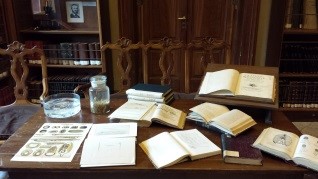
 The Marine Library (Biblioteca del Mare) contains the historical heritage of ancient texts, photographs, scientific instruments, correspondence, and miscellaneous collections. This structure enhances the assets of the museum and the archive through setting up exhibitions for conferences or other events, internal and external to the SZN. It provides useful information to implement the scientific databases that store up the collections and collaborates with Italian and foreign researchers for the study and the enhancement of the assets held.
Staff
Pasqualina Fiorentino
Carmela Scotti
Contatti
Tel. +39 081 5833 273
Tel. +39 081 5833 451
e-mail: biblioteca.cape(at)szn.it
Opac: http://bibliotecaszn.it
Darwin-Dohrn Museum (DaDoM) & Historical Archives
|
|
Darwin-Dohrn Museum |
|
|
Historical Archives |


Copyright © 2015 by Stazione Zoologica Anton Dohrn Napoli - Italy
Villa Comunale, 80121 Napoli - Tel.+39 081 5833111 - C.F./P.IVA : IT 04894530635 - PEC: ufficio.protocollo(at)cert.szn.it