


 Tenders and Job OpportunitiesJob callsScholarships and research fellowshipsOpen CallsENGLISHPages
Pages
Publications
2017
Rivaro, P., Ianni, C., Langone, L., Ori, C., Aulicino, G., Cotroneo, Y., Saggiomo, M. and Mangoni, O. (2017). Physical and biological forcing of mesoscale variability in the carbonate system of the Ross Sea (Antarctica) during summer 2014’. Journal of Marine Systems 166:144-158 (http://dx.doi.org/10.1016/j.jmarsys.2015.11.002)
Saggiomo, M., Poulin, M., Mangoni, O., Lazzara, L., De Stefano, M., Sarno, D. and Zingone, A. (2017). Spring-time dynamics of diatom communities in landfast and underlying platelet ice in Terra Nova Bay, Ross Sea, Antarctica. Journal of Marine Systems 166:26-36. (http://dx.doi.org/10.1016/j.jmarsys.2016.06.007)
2016
Aoyama, M., et al. (including Margiotta, F.). IOCCP-JAMSTEC 2015 Inter-Laboratory calibration exercise of a certified reference material for nutrient in seawater. International Ocean Carbon Coordination Project (IOCCP) Report Number 1/2016. Japan Agency for Marine-Earth Science and Technology, Tokosuka, Japan (176pp).
D'Alelio, D., Margiotta, F., Sarno, D. and Ribera d'Alcalà, M. (2016). Plankton food-webs: to what extent can they be simplified? Advances in Oceanography and Limnology 7, 67-92.
Mangoni, O., Lombardo, R., Camminatiello, I. , Margiotta, F., Passarelli, A., Saggiomo, M. (2016). Phytoplankton community to assess the environmental status of the Adriatic Sea via non-linear partial least squares regression. Quality & Quantity (in press) First Online: 12 October 2016.
Pepi, M., Borra, M., Tamburrino, S., Saggiomo, M., Viola, A., Biffali, E., Balestra, C., Sprovieri, M. and Casotti, R. (2016). A Bacillus sp isolated from sediments of the Sarno River mouth, Gulf of Naples (Italy) produces a biofilm biosorbing Pb(II). Science of the Total Environment 562, 588-595.
Valenti D., Denaro G.; Spagnolo B., Mazzola S., Basilone G., Conversano F., Brunet C., Bonanno A. (2016) Stochastic models for phytoplankton dynamics in Mediterranean Sea. Elsevier Editorial System(tm) for Ecological Complexity, http://dx.doi.org/10.1016/j.ecocom.2015.06.001.
2015
D'Alelio, D., Mazzocchi, M. G., Montresor, M., Sarno, D., Zingone, A., Di Capua, I., Franze, G., Margiotta, F., Saggiomo, V. Ribera d'Alcala, M. (2015). The green-blue swing: plasticity of plankton food-webs in response to coastal oceanographic dynamics. Marine Ecology-an Evolutionary Perspective 36, 1155-1170.
Valenti D, Denaro G, Spagnolo B, Conversano F, Brunet C. (2015) How Diffusivity, Thermocline and Incident Light Intensity Modulate the Dynamics of Deep Chlorophyll Maximum in Tyrrhenian Sea. PLoS ONE 10(1): e0115468. doi:10.1371/journal. pone.0115468.
2014
Carella F, Aceto S, Saggiomo M, Mangoni O, De Vico G (2014). Gorgonian disease outbreak in the Gulf of Naples: pathology reveals cyanobacterial infection linked to elevated sea temperatures. Diseases of Aquatic Organisms, 110: 69-80.
Publications
2017
Di Capua I., Maffucci F., Pannone R., Mazzocchi M.G., Biffali E. and Amato A. (2017). Molecular phylogeny of Oncaeidae (Copepoda) using nuclear ribosomal Internal Transcribed Spacer (ITS rDNA) PLoS ONE #PONE-D-16-33262 (under review)
2016
De Felice, B., Borra, M., Manfellotto, F., Santangelo, A., Biffali, E. and Guida, M. (2016) Assessment of genetic diversity between wild and cultivated artichokes using SSR markers. Genetic Resources and Crop Evolution,63,8,1363-1369,2016,Springer Netherlands
D’Agostino, Y., Locascio, A., Ristoratore, F., Sordino, P., Spagnuolo, A., Borra, M. and D’Aniello, S. (2016) A rapid and cheap methodology for CRISPR/Cas9 zebrafish mutant screening. Molecular biotechnology, 58: 73-78.
Iacomino G., Russo P., Stillitano I., Lauria F., Marena P., Ahrens W., De Luca P. and Siani A. (2016). Circulating microRNAs are deregulated in overweight/obese children: preliminary results of the I.Family study. Genes and Nutrition, vol. 11:7, ISSN: 1555-8932
Karaa S., Maffucci F., Jribi I., Bologna M. A., Borra M., Biffali E., Bradai M. N. and Hochscheid S. (2016). Connectivity and stock composition of loggerhead turtles foraging on the North African continental shelf (central Mediterranean): implications for conservation and management. Marine Ecology. Vol. 37, Issue 5, October, 1103–1115.
Karaz S., Courgeon M., Lepetit H., Bruno E., Pannone R., Tarallo A., Thouzé F., Kerner P., Vervoort M., Causeret F., Pierani A. and D’Onofrio G. (2016). Neuronal fate specification by the Dbx1 transcription factor is linked to the evolutionary acquisition of a novel functional domain. EvoDevo, 7: 18.
Maffucci F., Corrado R., Palatella L., Borra M., Marullo S., Hochscheid S., Lacorata G. and Iudicone D. (2016). Seasonal heterogeneity of ocean warming: a mortality sink for ectotherm colonizers. Scientific reports, 6, Nature Publishing Group Article number: 23983.
Pepi M., Borra M., Tamburrino S., Saggiomo M., Viola A., Biffali E., Balestra C., Sprovieri M. and Casotti R. (2016). A Bacillus sp. isolated from sediments of the Sarno River mouth, Gulf of Naples (Italy) produces a biofilm biosorbing Pb(II). Science of The Total Environment. vol. 562, 15 August, 588–595.
2015
Affinito O., Andreakis N., Caputi L., Marino R., Pannone R., Sordino P. & Procaccini G. (2015). High connectivity and directional gene flow in European Atlantic and Mediterranean populations of Ciona intestinalis sp. A. Marine Ecology, 36: 1230–1243.
2014
MG Adelfi, M Borra, R Sanges, M Montresor, A Fontana, MI Ferrante (2014). Selection and validation of reference genes for qPCR analysis in the pennate diatoms Pseudo-nitzschia multistriata and P. arenysensis. Journal of Experimental Marine Biology and Ecology 451, 74-81.
Guida M, Cannavacciuolo PL, Cesarano M, Borra M, Biffali E, D’Alessandro R, De Felice B (2014) Microbial diversity of landslide soils assessed by RFLP and SSCP fingerprints. Journal of Applied Genetics, 55: 403-15.
De Felice B, Annunziata A, Fiorentino G, Manfellotto F, D'Alessandro R, Marino R, Borra M, Biffali E (2014). Telomerase expression in amyotrophic lateral sclerosis (ALS) patients. Journal of human genetics, 59: 555-561.
De Felice B, Annunziata A, Fiorentino G, Borra M, Biffali E, Coppola C, Cotrufo R, Brettschneider J, Giordana ML, Dalmay T, Wheeler G, D’Alessandro R (2014) miR-338-3p is over-expressed in blood, CFS, serum and spinal cord from sporadic amyotrophic lateral sclerosis patients. Neurogenetics, 15: 243-253.
Bosnjak I, Borra M, Iamunno F, Benvenuto G, Ujevic I, Buselic I, Roje-Busatto R, Mladineo I (2014), Effect of bisphenol A on P-glycoprotein-mediated efflux and ultrastructure of the sea urchin embryo. Aquatic toxicology, 156, 21-29.
E. Dattolo, M. Ruocco, C. Brunet, M. Lorenti, C. Lauritano, D. D'Esposito, P. De Luca, R. Sanges, S. Mazzuca, G. Procaccini (2014). Response of the seagrass Posidonia oceanica to different light environments: Insights from a combined molecular and photophysiological study. Marine Environmental research, 101. 225-236.
Porreca I, D'Angelo F, Gentilcore D, Carchia E, Amoresano A, Affuso A, Ceccarelli M, De Luca P, Esposito L, Guadagno FM, Mallardo M, Nardone A, Maccarone S, Pane F, Scarfò M, Sordino P, De Felice M, Ambrosino C. (2014). Cross-species toxicogenomic analyses and phenotypic anchoring in response to groundwater low-level pollution. BMC Genomics, 15: 1471-2164.
Observatory of the Gulf of Naples
Towards an integrated observing system in the Gulf of Naples
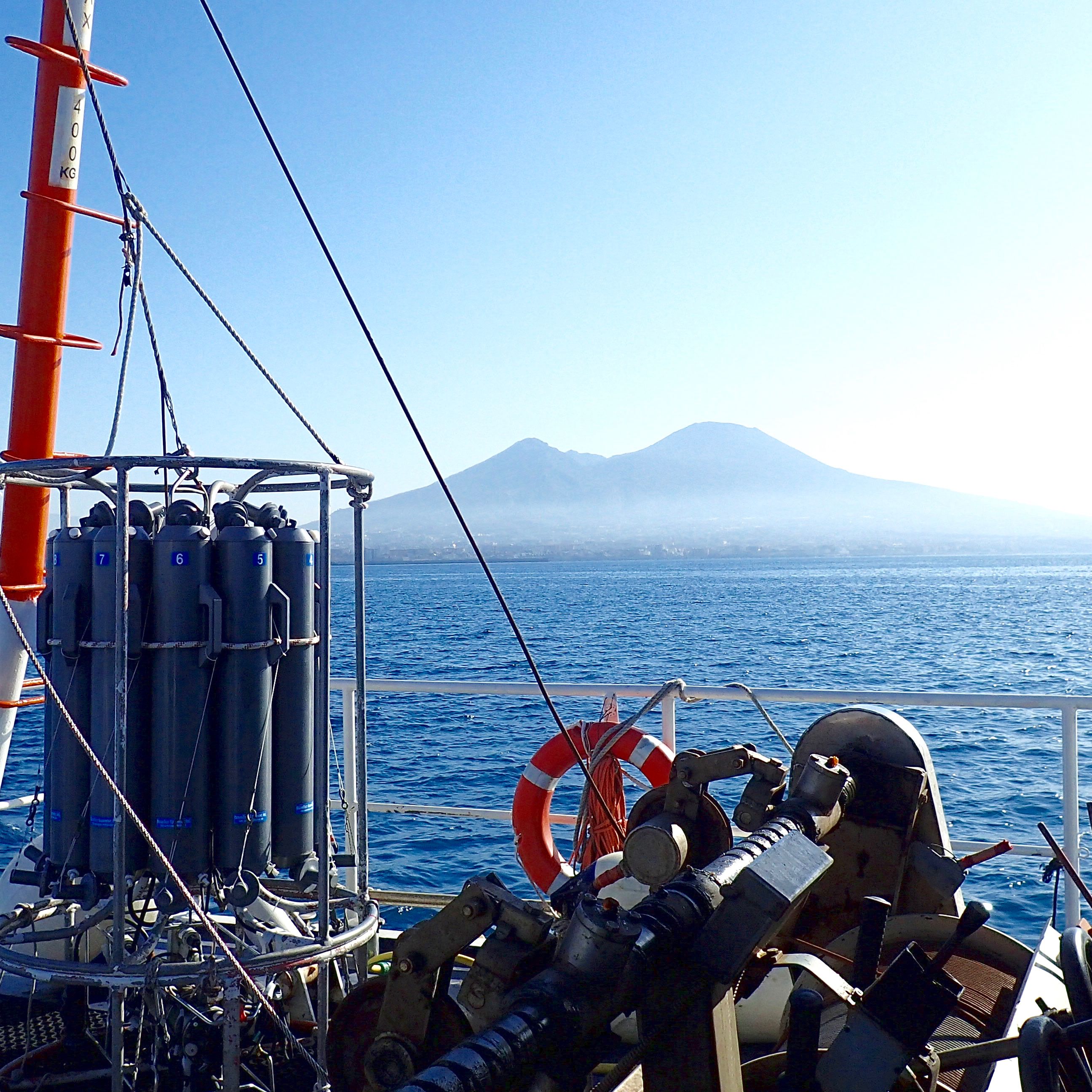
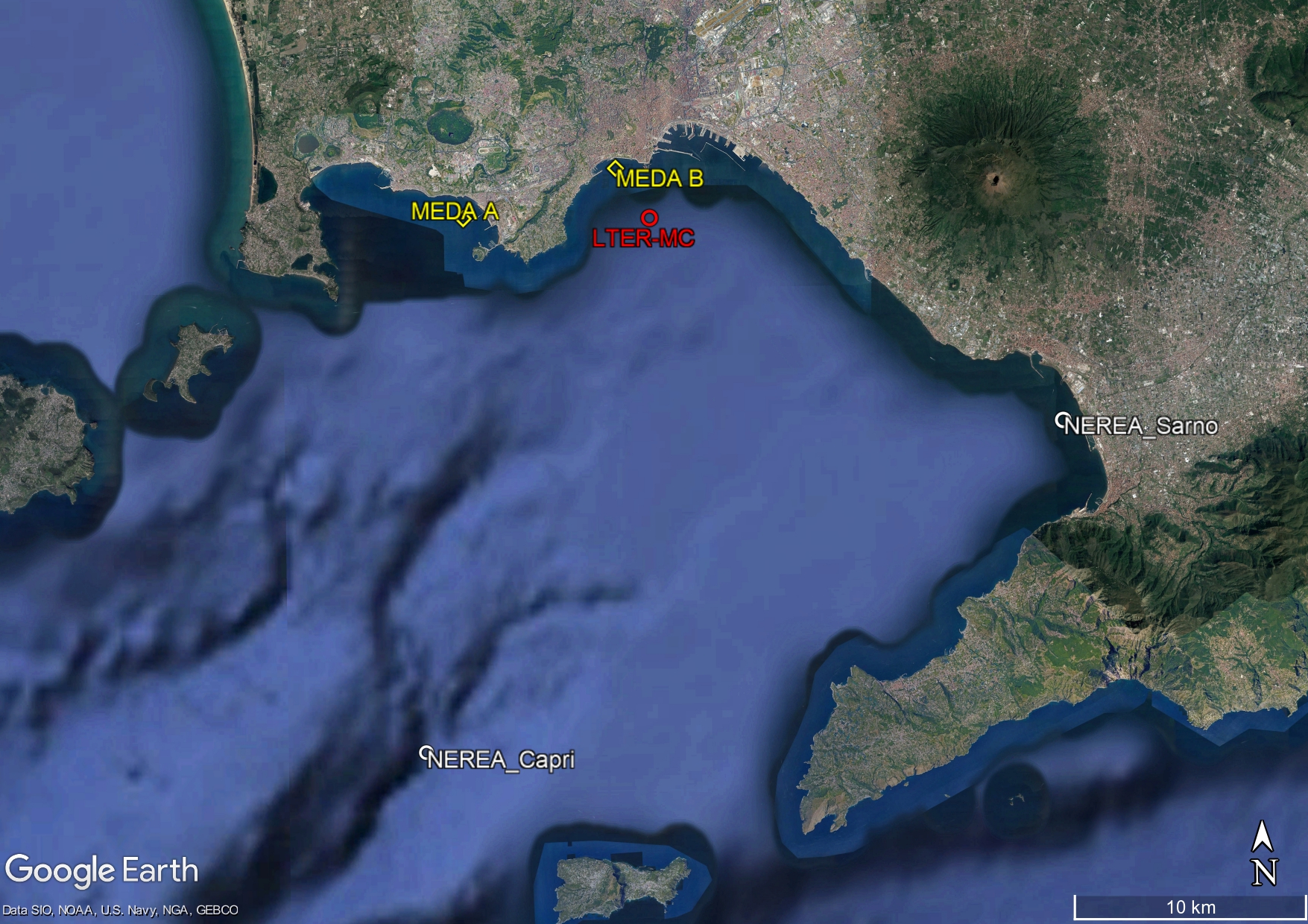
The Gulf of Naples (Central Tyrrhenian Sea, Western Mediterranean Sea) extends between 40°50’-40°32’N and 13°52’-14°28’E, with an area of 870 km2 and an average depth of 170 m. About 4 million people live along the coasts, which have been inhabited since the pre-Roman age. The Gulf is characterized by the contrast between highly polluted areas (Bagnoli-Coroglio, Eastern-Naples) and pristine sites identified as Marine Protected Areas (Punta Campanella, Regno di Nettuno).
 The Research Program MareChiara was launched by SZN in 1984 with the aim of investigating the structure and functioning of planktonic communities of the Gulf of Naples in relation to the environmental variability and climate change. Since 2006, the station LTER-MareChiara (LTER-MC) is part of the national (LTER-Italy) and international networks of Long Term Ecological Research sites (I-LTER, E-LTER). LTER- MC is located 2 miles offshore the city of Naples, on the 75 m isobath, at the boundary between the coastal area, influenced by land runoff, and the offshore oligotrophic waters with characteristics of the southern Tyrrhenian Sea. In support to the observational activities, two MEDA-elastic buoys (MEDA A and MEDA B) were installed in 2016 at a short distance from the coast, one off the Stazione Zoologica Anton Dohrn and the other off Bagnoli. The buoys are equipped with meteorological sensors, multiparametric profiling probes and ADCP current-meters. High-frequency data are transmitted in real time via a broadband Wi-Fi bridge and also via the GSM network. In 2022 LTER-MC and the «Gulf of Naples integrated pelagic observatory» has been nominated “Endorsed Decade Action” by the United Nations under the Marine Life 2030 program (https://oceandecade.org/actions/gulf-of-naples-integrated-pelagic-observatory/).
Since March 2019 an augmented observatories established in the frame of ongoing monitoring programs, at Long Term Ecological Research (LTER) sites, and in two preferential sites at the mouth of the Sarno river (Nerea_Sarno) and on the Dohrn Canyon off Capri (Nerea_Capri). Sampling monthly involving the use of molecular methods to increase the taxonomic and functional detail of the biodiversity of the Gulf of Naples.
The  Observatory is called NEREA (Naples Ecological research Augmented observatory www-nerea observatory.org) and has received the endorsement of the United Nations as a project under the OBON program (Ocean Biomolecular Observing Network https:///www.oceandecade.org/actions/ocean-biomolecular-observing-network-obon/). NEREA also participates in the EMOBON initiative (European Marine Omics Biodiversity Observation Network https:///www.embrc.eu/emo-bon).
Report findings
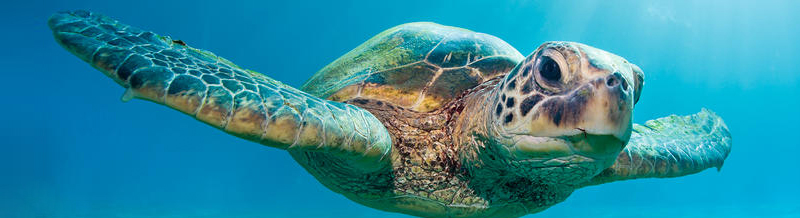
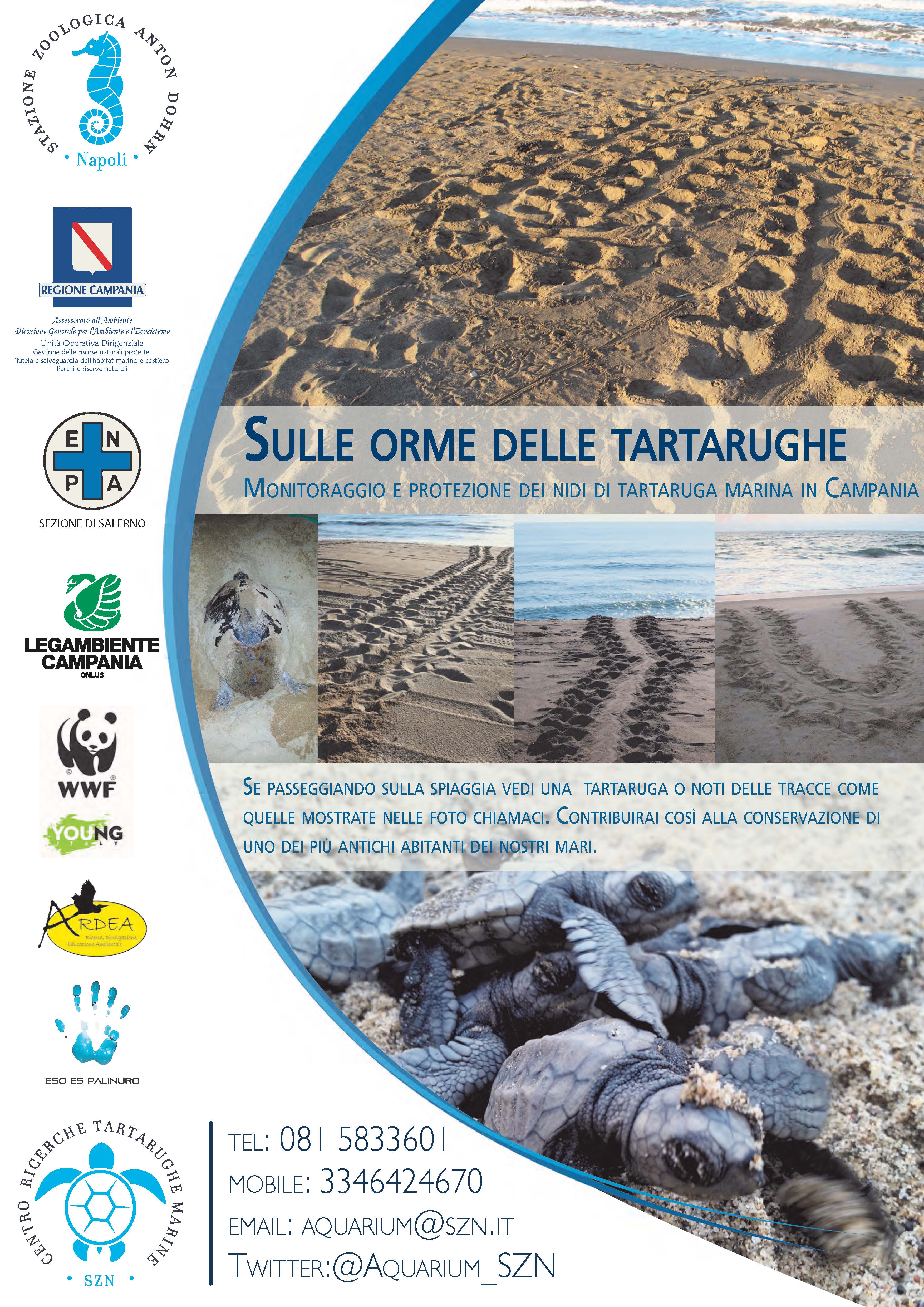
 Fin dal 1983, presso l'Acquario della Stazione Zoologica Anton Dohrn di Napoli vengono ricoverati esemplari di Caretta caretta, la specie di tartaruga marina più comune nelle acque italiane, classificata come "endagered" nella lista rossa delle specie a rischio d'estinzione dall'IUCN (International Union for the Conservation of Nature and Natural Resources) e inclusa dalla Comunità Europea nell'Annex II della direttiva habitat come specie prioritaria, la cui conservazione nel Mediterraneo richiede speciali misure di protezione. Nella maggior parte dei casi, le tartarughe ricoverate sono gravemente ferite a causa dell'impatto con strumenti di pesca o imbarcazioni, oppure debilitate e denutrite a causa di fattori ambientali sfavorevoli. Si rendono quindi necessari interventi specifici di cura e riabilitazione prima di poterle rimettere in natura in aree idonee alla loro sopravvivenza.
Se vedi un esemplare in difficoltà contattaci e provvederemo alle cure necessarie.
NGS
Name |
Next Generation Sequencing service |
Description |
NGS data production |
| Services provided |
In progressThe Next Generation Sequencing technologies (NGS) is revolutionizing the molecular biology field of application. Recently the Molecular Biology Service was implemented by such technologies and is developing this facility based on an ION Proton sequencer. The Next Generation Sequencing facility is based on the ION Proton technology: mainly transriptomics, gene expression analysis, targeted resequencing, metagenomics. At present No bioinformatic analysis provided. |
| Equipments |
Life Technologies ION Proton semiconductor sequencer Life Technologies ION Chef |
| Contacts |
Dr. Elio Biffali Tel.: +39 081 5833298 e-mail: elio.biffali(at)szn.it |
Automation
| Description |
The Service is equipped with a robotic system able to realize high productivity projects for the research activities that needs, in brief times, the analysis of a high number of samples. |
| Services provided |
The Service is able to accomplish to different demands: - PCR and qPCR setup. - PCR cleanup. - Samples quantitation and normalization. - Replica plates, cherry picking and gridding, library replica and re-gridding etc. - Plasmidic DNA minipreparations. - Sequencing reactions setup. - Sequencing reactions cleanup. - Microsatellites plates setup. - AFLP plates setup. - SNiPs plates setup. - Library management and cherry picking. - gDNA extraction, conventional samples (blood, mouse tail, etc.). - gDNA extraction, NON conventional samples (Ciona; Posidonia oceanica; Caretta caretta; Cymodocea nodosa; Caulerpa racemosa; Octopus vulgaris). - Automated ICH-ISH in whole mount on larger embryos. (in progress). |
Equipemnts |
TECAN HTS platform FREEDOM EVO 200 |
| Contact |
Dr. Elio Biffali Tel.: 081 5833298 e-mail: elio.biffali(at)szn.it |
Genotyping
| Description |
-Microsatellites by fragment analysis (single-locus). -SNiPs, analysis of polymorphism in single base (single-locus). -AFLP, amplified fragment lenght polymorphism (multi-locus). |
| Services Provided |
About 6,000 samples analysed per year, mainly for genetic population studies on marine plants (seagrass). Genotyping is the process that allows identifying the genotype of an organism by biological testing (genotype testing). There are several techniques that can be used for genotyping mainly with a multi-locus or single-locus approach. The service offers three different analytical approaches: -Microsatellites (single-locus). Fragments analysis is achieved by capillary electrophoresis and applied to population genetics studies, primarily on aquatic plants (seagrasses) and algae. We analyze an average of 6000 samples per year. -SNiPs, analysis of polymorphism in single base (single-locus). SNiPs analysis is realized at the SBM using the Snapshot technology that allows the analysis, through capillary electrophoresis, of any samples with the use of only one specific oligonucleotide. -AFLP, amplified fragment lenght polymorphism (multi-locus). The detection is realized at SBM through capillary electrophoresis. |
Equipments |
Applied Biosystems (Life Technologies) 3730 DNA Analyzer 48 capillaries |
| Contacts |
Dr. Elio Biffali Tel.: +39 081 5833298 e-mail: elio.biffali(at)szn.it |
DNA Sequencing (Sanger)
Digital PCR
| Description |
(in progress) The “Droplet Digital PCR" (ddPCR) allows to: Detect small amounts of target DNA molecules with unparalleled sensitivity. Determine the change in the number of genomic copies (copy number variation) with extreme accuracy. Measure gene expression levels with extraordinary precision. Quantify NGS libraries. |
| Services provided | The Service supports the Institute's laboratories in experiments design, samples running and, if required, initial data analysis. |
| Equipment |
Biorad system "QX200 Droplet Digital PCR" Agilent Bioanalyzer 2100 |
| Contacts |
Dr. Elio Biffali Tel.: 081 5833298 e-mail: elio.biffali(at)szn.it |
Real Time qPCR
| Description | The Real Time PCR service is equipped with a high productivity instrument which, using 384-well plates, not only allows to analyze a large number of samples in the same experiment, but also, by reducing the reaction volumes, to obtain a reduced cost for the single reaction. |
| Services provided | The Service supports the Institute's laboratories in experiments design, samples running and, if required, initial data analysis. |
| Equipment |
Life Technologies ViiA7 384 well-block Agilent Bioanalyzer 2100 |
| Contacts |
Dr. Elio Biffali Molecular Biology and Bioinformatics Tel. +39 081 5833298 e-mail: elio.biffali(at)szn.it |


Copyright © 2015 by Stazione Zoologica Anton Dohrn Napoli - Italy
Villa Comunale, 80121 Napoli - Tel.+39 081 5833111 - C.F./P.IVA : IT 04894530635 - PEC: ufficio.protocollo(at)cert.szn.it